
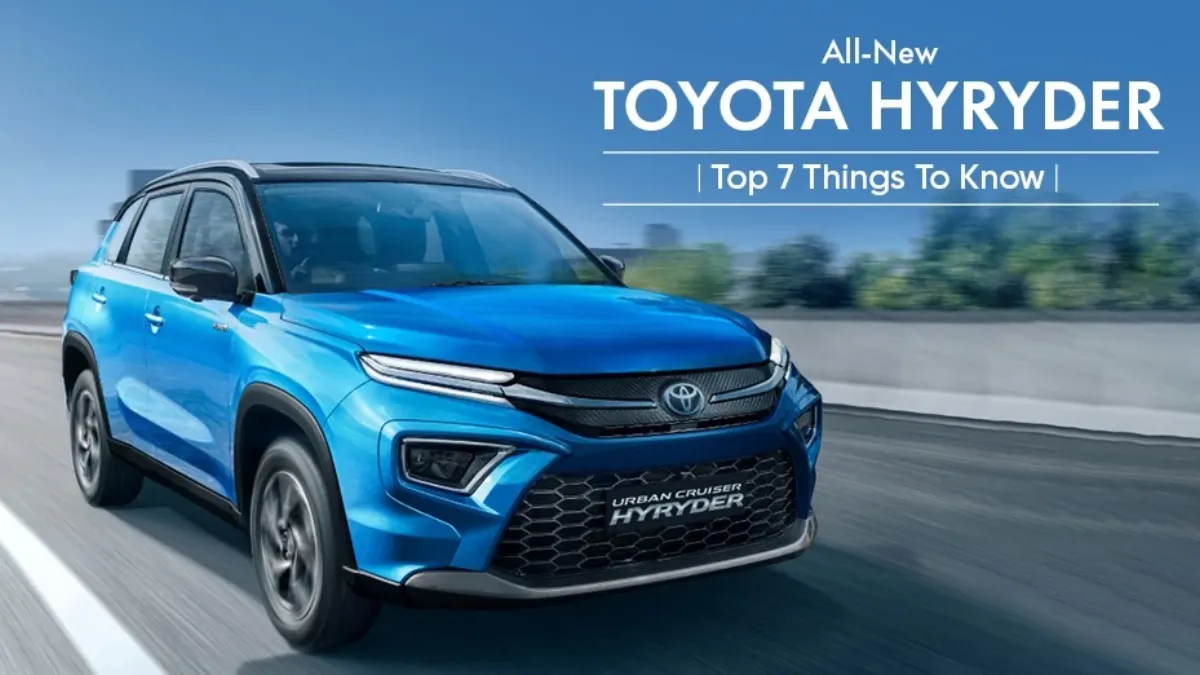
Toyota has changed. Not suddenly Slowly, Quietly, Prices go up, and nobody from the brand feels the need to explain much anymore. The assumption is simple. You want a Toyota, you’ll pay for it. For a long time, that confidence was earned. Today? I’m not so sure.
Related News
A Dealership Moment That Still Bugs Me
A couple of years ago, I was standing inside a Toyota showroom in Delhi even as a friend negotiated for an Innova Crysta. Another rate hike had just landed. No feature update. No visible improvement. My friend asked the sales manager what justified the increase. He smiled. Relaxed. Almost amused. Demand is strong. Waiting period is long he said. That was the full explanation. At the time, it sounded confident. Looking back, it feels like complacency.
What You’re Actually Paying For Now
Let me be honest here. When you buy a Toyota after the price hike, you’re not buying excitement. You’re not buying segment-first tech. And you’re definitely not buying interiors that feel rich for the money. You’re buying certainty.
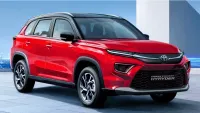
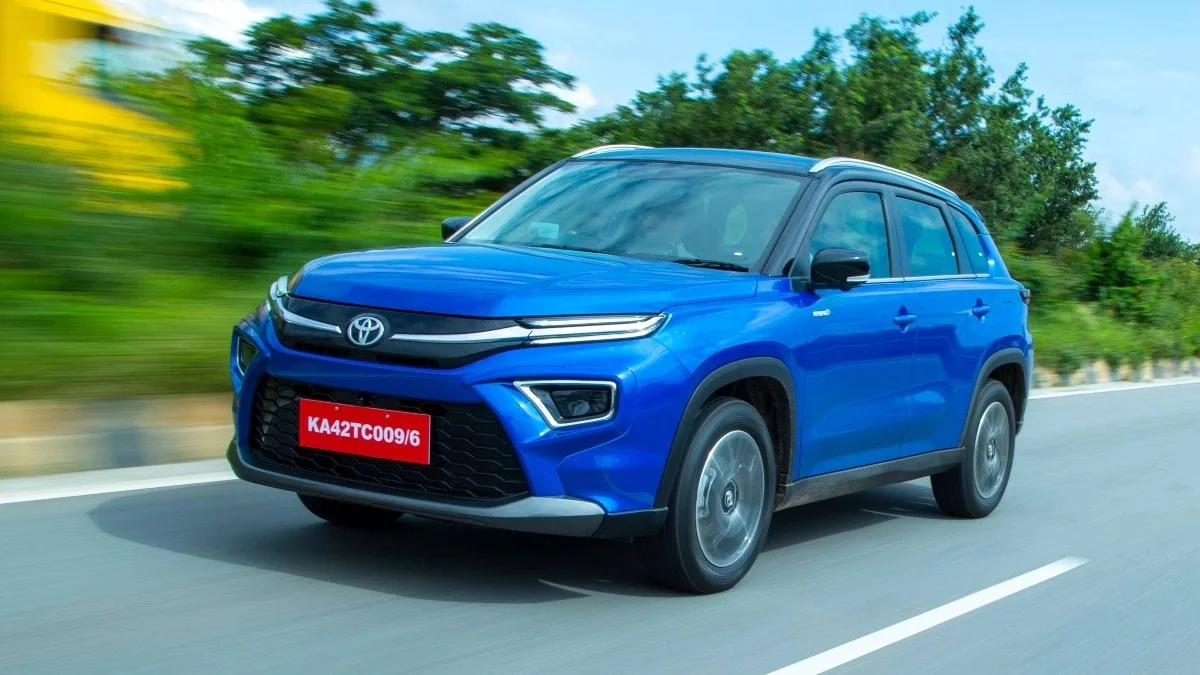
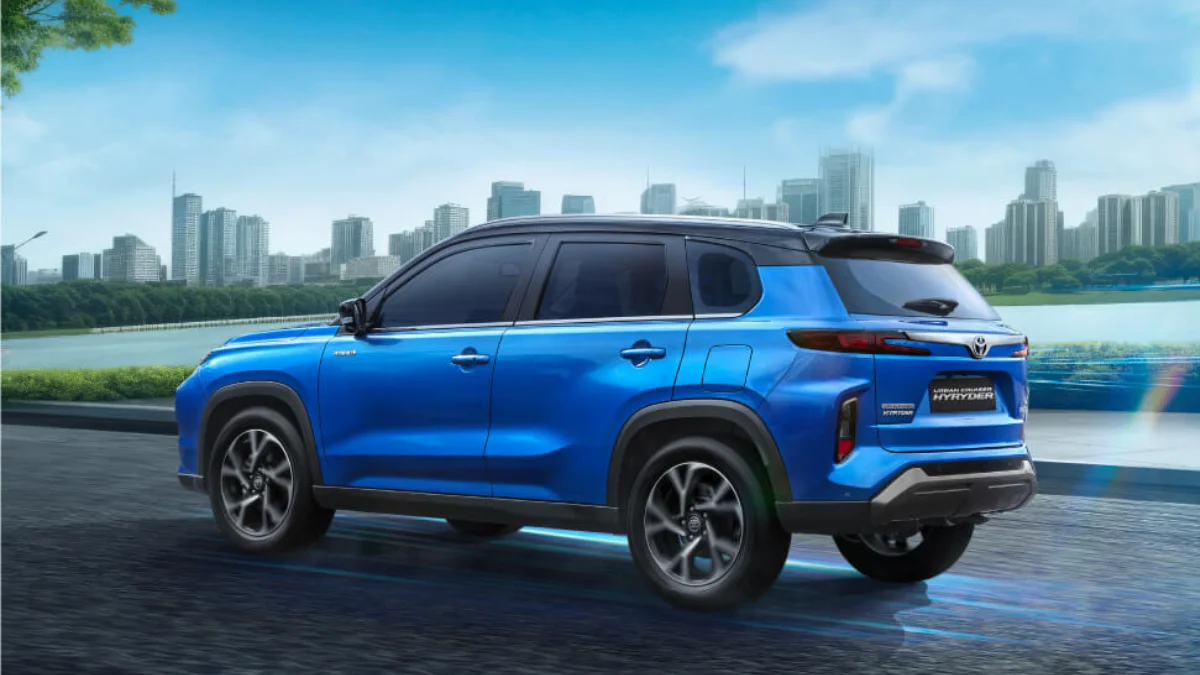
The Hyryder hybrid is a good example. Toyota talks endlessly about efficiency. I’ve driven it in real traffic, real heat, real chaos. Yes, it’s efficient. No, it’s not magical. That gap between promise and daily reality isn’t new. I heard the same quiet complaints from early Camry Hybrid owners years ago. Good cars. Just not as miraculous as advertised.
The Interior Reality Nobody Brags About
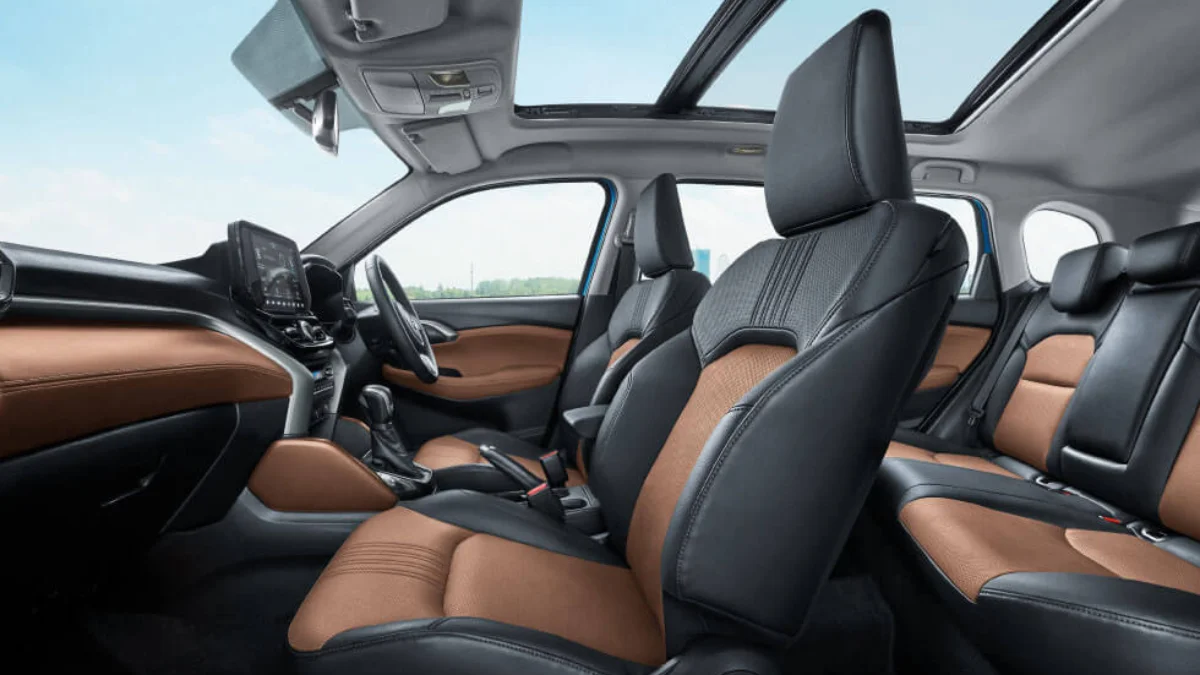
Here’s an uncomfortable truth. Toyota interiors feel behind the curve. I’ve watched buyers step out of a Creta or Seltos and into a Hyryder. There’s a pause. A silent recalibration. They don’t complain. They just stop exploring the cabin. Everything works. Nothing delights. At these prices, that lack of emotional pull starts to matter.
Ownership Peace Is Still Toyota’s Strongest Card
This part hasn’t changed. A Fortuner owner I know has crossed nearly two lakh kilometres. Hard usage. Rough roads. Minimal issues. His only complaint now is that service bills aren’t as friendly as they used to be.
Another small incident stayed with me. A Glanza owner faced an infotainment system freeze during a highway trip. Toyota acknowledged it instantly. Software update done. No arguments. No excuses. That kind of consistency builds trust. But today, you’re paying extra for it upfront.
The Price Hike Creep
One hike doesn’t hurt. Multiple hikes do. Over time, Toyota cars have wandered into price territory that once belonged to more premium, more feature-rich options. The problem is, the product evolution hasn’t kept pace.
No major cabin upgrades. No meaningful tech leap. Just incremental changes and steady confidence that buyers won’t leave. This is where it gets messy.
Also Read : Toyota Hyryder Prices Skyrocket Up to Rs. 42,700! Which Variant Hits Your Wallet Hard?
Is Toyota Leaning Too Hard on Its Past?
From where I stand, yes. Toyota is still living off decades of goodwill. Reliability stories. Resale value charts. That reputation is real. But it’s being stretched. New-age buyers are different. They still want reliability, but they also want modern design, fast screens, and features that feel current. Toyota is slow there. Sometimes painfully so.
So, Is a Toyota Still Worth It After the Price Hike?
If you plan to keep your car for a decade. If you hate surprises. If peace of mind matters more than flair. Yes. Toyota still makes sense. But if you expect strong value, emotional appeal, or the feeling that you got more than what you paid for. You might walk away unsure. Toyota isn’t a bad buy today. It’s just no longer the automatic choice it once was. And that shift matters.