

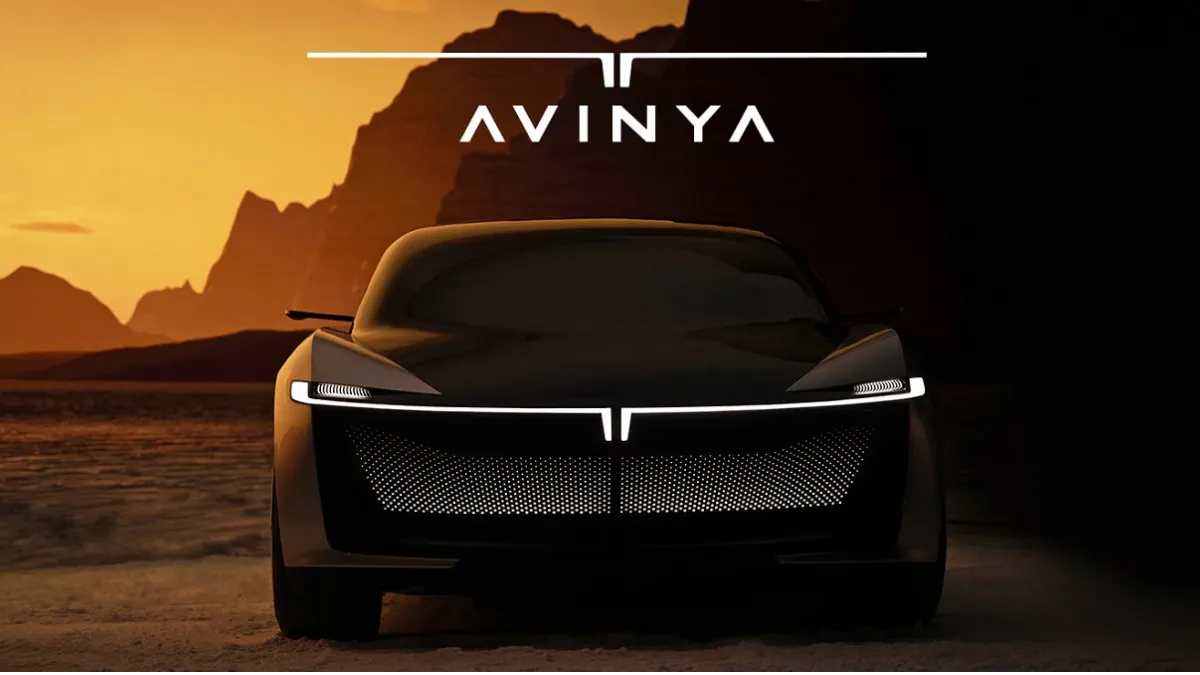
I’ve been closely watching the Indian vehicle marketplace for the last 10 years. Launch activities, provider backrooms, 1/2-prepared prototypes, and those sleek presentations that look tremendous on display however experience distinct on the street. When the Tata Avinya first regarded as a concept, I’ll admit it. For a moment, it felt like Tata Motors changed into truely thinking in another way. But to be honest, in conjunction with the exhilaration, there was a truthful bit of doubt sitting in my head.
Related News

The Avinya Concept Looks Fresh, But Let’s Not Forget It’s Still a Concept
Tata Avinya is a concept car. I’m stressing this on purpose because in India, the distance between a concept and a production car can be long and messy. White interiors, a clean dashboard, hardly any buttons. Very futuristic, no doubt. But it instantly reminded me of an auto expo back in 2019. Another EV concept, same brand, same confidence. When the production version arrived, interior quality and
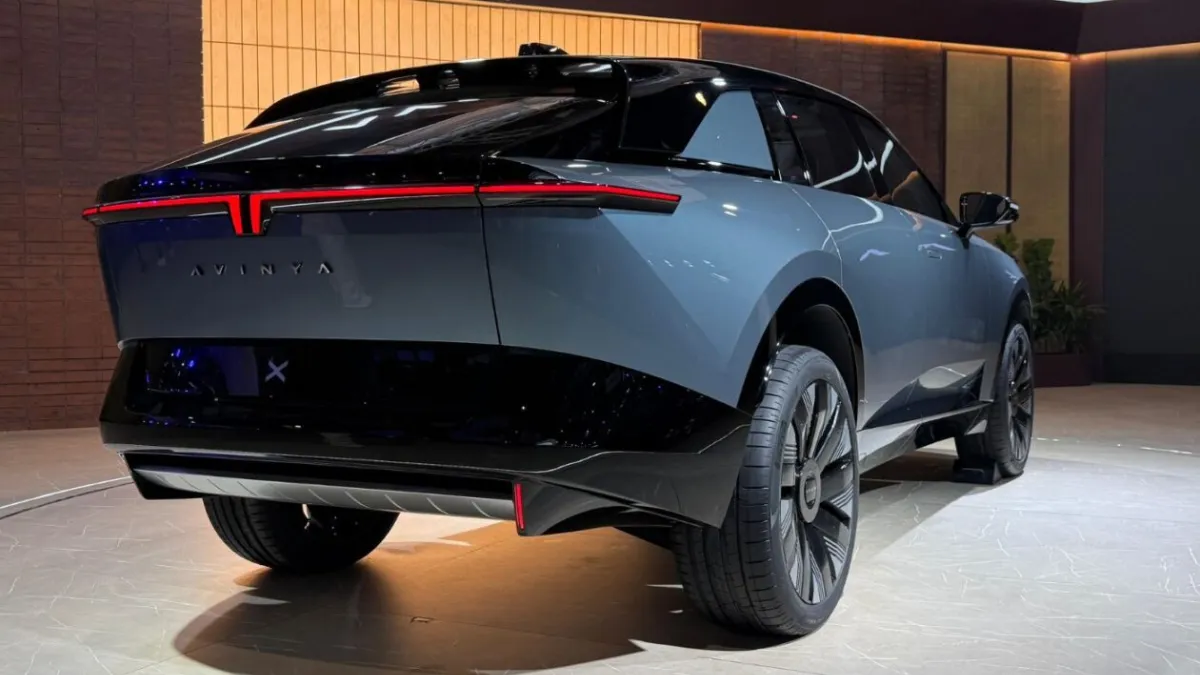
software told a very different story.
And yes, one more thing. Avinya’s design looks city-friendly. But India isn’t just cities. Speed breakers, broken roads, dust, humidity. These things don’t exist in concept presentations. They do in real life.
Range and Battery Claims? Worth Taking With a Pinch of Salt
What we keep hearing is long range, next-gen platform, fast charging. Sounds perfect. But I still remember the early days of the Nexon EV. Claimed range on paper, something else on the road. Once, at a charging station in Pune, I spoke to a Nexon EV owner. He looked at the range figure and said straight up, whatever you see on the screen, mentally cut it down.
With Tata Avinya, I’m carrying the same mindset. Until real owners drive it 20,000 km and talk openly, range is just a number. Indian EV buyers aren’t naive anymore. Promises alone don’t sell cars now.
Software and User Experience This Is Where Things Can Flip
I was once on a media drive with a Tata EV. The car drove well, ride quality was comfortable. Then the infotainment froze. Restarted it. Froze again. The PR team looked uncomfortable. An engineer casually said it’ll be fixed in the next update. That update took six months.
This is where Avinya will be judged. Tata can build solid hardware. No debate there. But software, interface, OTA updates, voice controls. This has been a weak area for Indian manufacturers. If Tata gets this right this time, Avinya could genuinely change perceptions. If not, we’ve seen this movie before.
Interior Space and Comfort Looks Great on Slides, Needs Real Testing
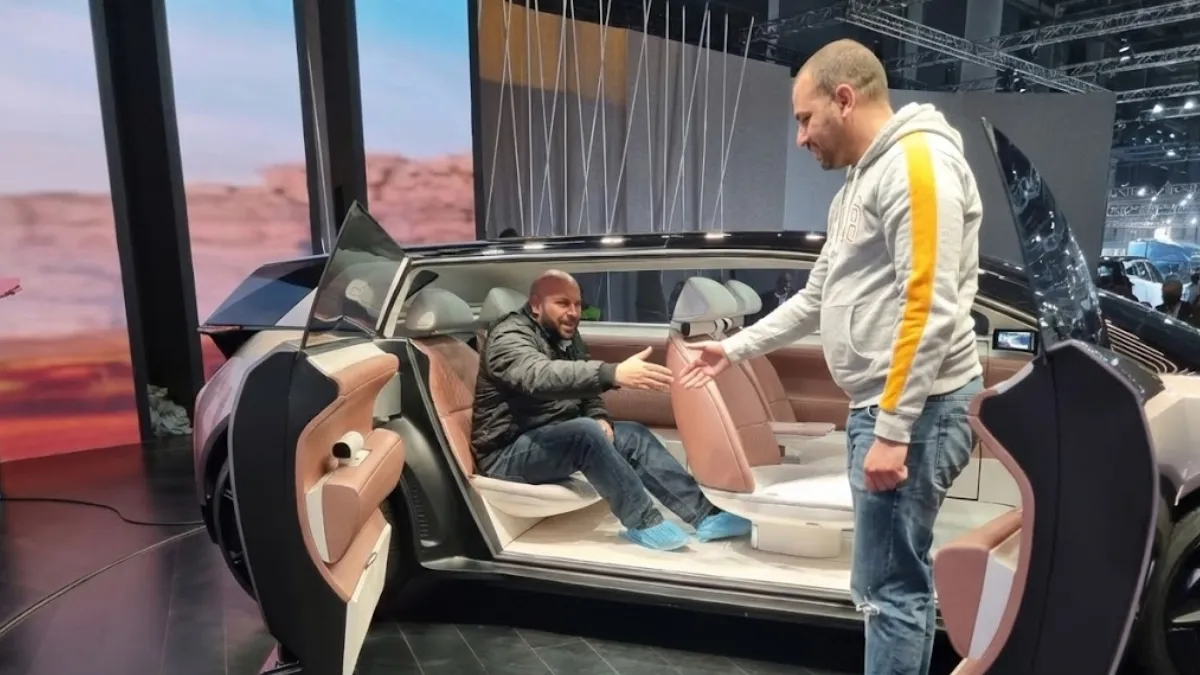
The concept images show an airy cabin. Flat floor, lounge-style seating. Looks impressive. But try traveling with an Indian family. Bags, bottles, random items, kids’ stuff. Minimalism starts feeling impractical very quickly.

I remember sitting at a dealership in Delhi last year. A customer looked at an EV interior and said, the car looks nice but doesn’t feel homely. Avinya needs to take that line seriously.
Pricing and Trust Tata’s Biggest Challenge
Avinya is being positioned as a premium product. And that’s where the risk comes in. Indian buyers trust Tata, but only up to a point. If pricing gets too ambitious, people will instantly start looking at imported EVs or established premium brands.
Trust isn’t built by branding alone. After-sales support, service experience, spare availability, software support. Tata’s network is strong, but EV-specific expertise is still uneven. I personally waited at a service center once because the EV technician had stepped out for lunch. The car waited. So did I.
Also Read : From Diesel to Dreams How Tata Avinya Changes the Game for Indian EVs
My Honest Take Avinya Is an Opportunity, Not a Promise
As far as I’m concerned, Tata Avinya represents bold intent. It shows Tata doesn’t want to remain stuck only in affordable EVs. But there’s always a gap between intent and execution.
If Tata prioritizes software this time, tests the car properly in real conditions, and keeps marketing claims realistic, Avinya could turn into a genuinely solid product. If not, it might just become another concept we remember from posters, not from roads.
I’m hopeful, but not blind. Avinya has my attention, not my booking amount. That comes only after first-batch owners speak honestly, without filters. Till then, I’m just watching closely.