

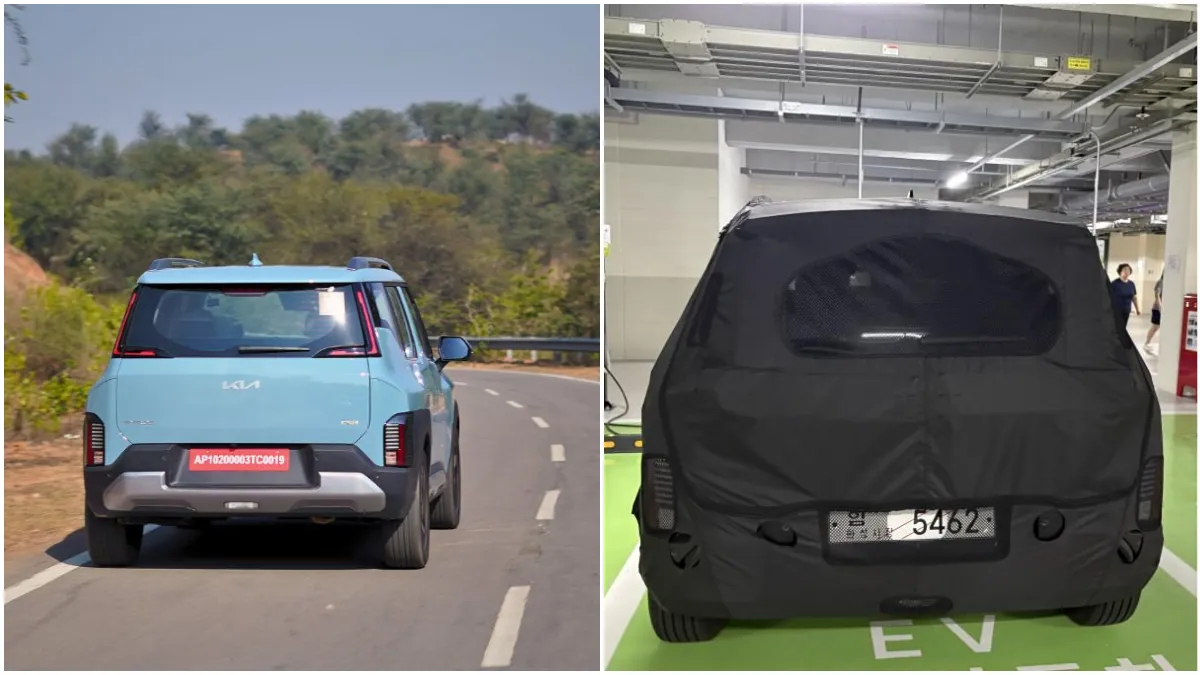
To put it bluntly, when I first saw the Kia Syros EV, I was curious. EVs are the trend, everyone says they are “future ready,” but from my 10 years of experience, reality is sometimes a bit different. While comparing the Kia Syros and its EV version, I remembered my past test drives and dealer interactions. And yes, a few little things that official reviews often miss.
Related News

| Specification | Kia Syros | Kia Syros EV |
|---|---|---|
| Engine / Motor | 1.5L Petrol/Diesel | Electric Motor, Single-speed |
| Power | 115–130 HP | 150 HP |
| Torque | 144–260 Nm | 320 Nm |
| 0–100 km/h | 10–12 sec | 8–9 sec |
| Range / Mileage | 16–22 km/l | 350–380 km per charge |
| Charging / Fuel | Petrol/Diesel tank | Fast 0–80% ~50 min |
| Seats | 5 | 5 |
Design and Aesthetics
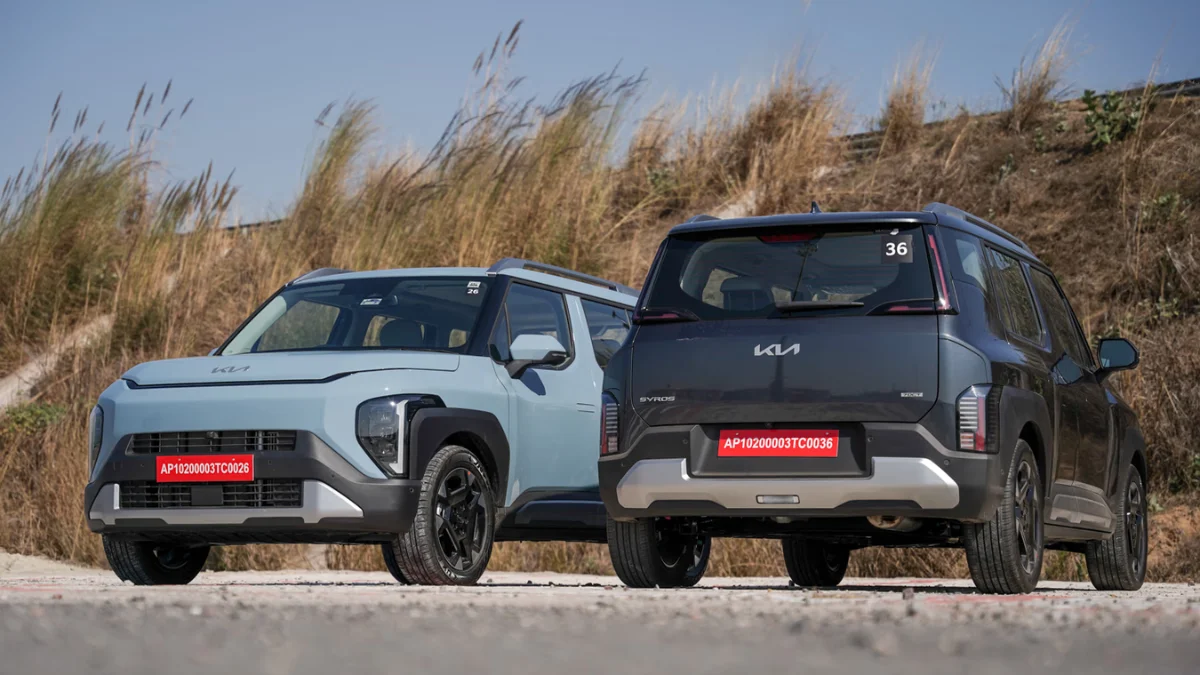
The Kia Syros looks classy at first glance, but a bit predictable. The EV version comes with a modern touch, subtle changes in headlights and grille. However, in my personal observation, if you mostly drive in the city with tight lanes and parking, the EV’s size and rear visibility can be tricky. I recall one anecdote the dealer gave me a demo of the EV and said straight Sir, you’ll need to adjust a bit in tight parking. That scene isn’t in any official brochure.
Performance and Driving Feel
The regular Kia Syros with petrol/diesel engines gives a familiar drive somewhat predictable, somewhat reliable. The EV, with instant torque, feels different, but I personally noticed a minor software lag once on the highway. The car was accelerating, but the infotainment froze briefly. A small moment, but memorable because this is real-world driving, not a showroom demo.
And one more thing the EV’s regenerative braking feels a bit jerky initially, especially in stop-and-go traffic. The petrol Syros has smooth braking and a familiar clutch feel. To be honest, comparing city and highway comfort, the EV feels different not for everyone.
Range and Practicality
According to Kia, the Syros EV has a range of up to 500 km. But from my perspective, I’ve seen older electric models too usually, going beyond 350–380 km in real-world conditions is tough. My suggestion: if your daily commute is 150–200 km, the EV works. But for longer road trips, the traditional Syros is still a safer bet.
Also read : We Tested the Kia Syros Petrol Manual – The Real Mileage Will Shock You!
Charging Infrastructure and Convenience
Charging network in India is still evolving. Once, while testing the Syros EV on the outskirts of Hyderabad, a fast charger point was malfunctioning. The scene was simple the staff said Sir, you’ll have to wait a bit. The petrol Syros has no such tension. This is the practical challenge that official specs never show.
Interior and Features
The EV’s cabin feels futuristic, with a huge touchscreen and digital cluster. The conventional Syros is a chunk conventional, simple, and predictable.
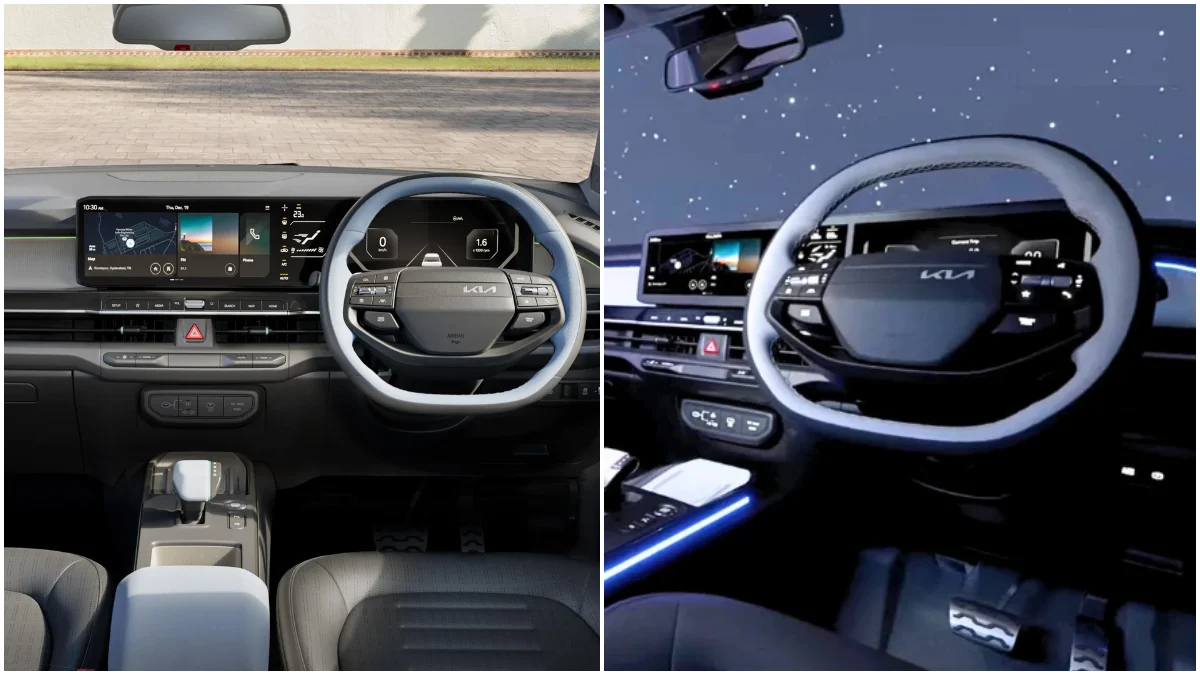
If you are tech-savvy, the EV interface is impressive. But in my experience, even after software updates, occasional glitches appear once, the climate control touch response was slightly laggy. These small things can irritate you in daily use.
Also read : Kia Syros EV Spotted Testing With Shocking Upgrades – Delhi Streets Just Got Electric!
Price and Value Proposition
The EV is priced at a premium. Considering long-term running costs and government incentives, it’s somewhat justified. The petrol/diesel Syros is relatively cheaper and seems to have more reliable resale value from my personal observation over the past 10 years. Bottom line the EV is expensive upfront, feels different in comfort and convenience, while the traditional Syros is familiar and stress-free.
My Final Take
The Kia Syros EV is exciting and feels future-ready. But you must consider real-world driving, charging logistics, and software quirks. The petrol Syros is still a safe, familiar, and hassle-free choice, especially for people managing both long trips and city commutes. My personal advice take a test drive, wait a bit for the EV ecosystem to mature, and then decide. And yes, choose according to your budget and lifestyle both have their vibe, and both have compromises.