

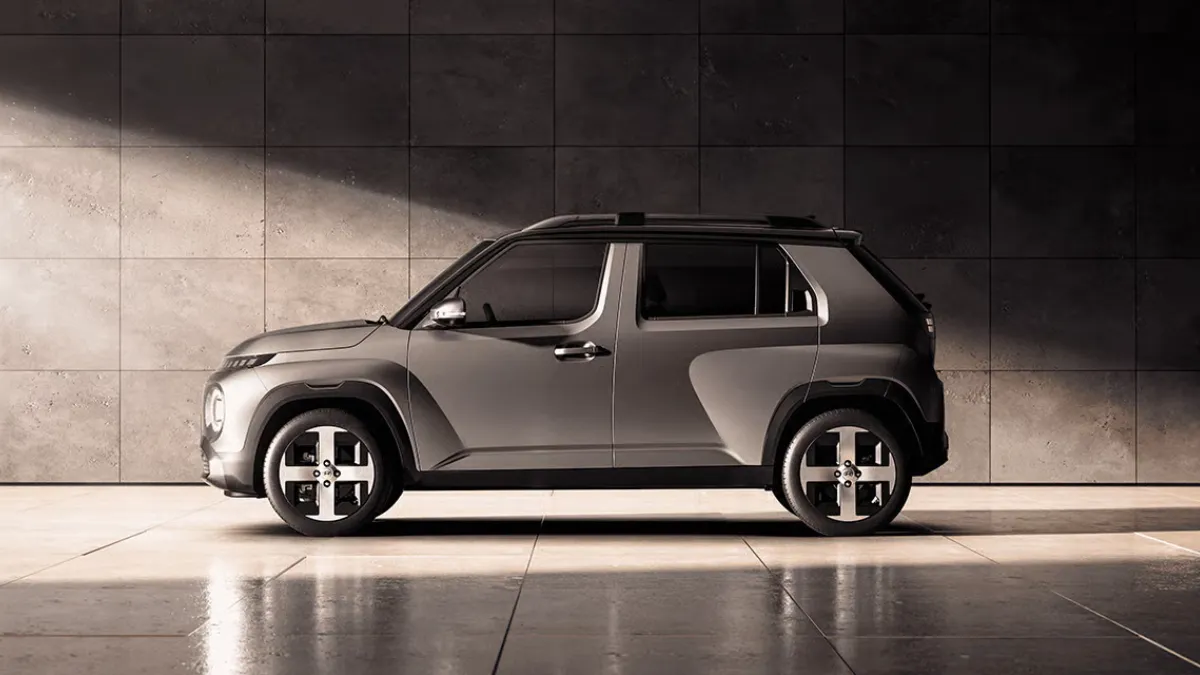
Something is shifting again in India’s EV story. Quietly, but seriously. Hyundai is working on a new compact electric SUV, and this one is not just another update. It’s expected to arrive around early 2027, and honestly, it feels like the company is trying to reset its small EV game in India. The Creta Electric was just the beginning, this is the next chapter. And yeah, it already sounds more interesting than a normal facelift kind of thing.
Related News

New Dedicated EV Platform for Better Efficiency
So here’s the thing. This new SUV is not based on a petrol car. Not at all. It’s being built on a dedicated electric architecture, which gives Hyundai more freedom with space and design. Engineers can stretch things, move things around, basically rethink the car from scratch.
They are calling it an advanced EV platform internally. Some reports also hint towards Hyundai Inster-based EV India direction, but adapted heavily for Indian roads and cost conditions. And that matters a lot. Because India is not just about tech, it’s about surviving potholes and traffic chaos too. Simple truth.
Rugged SUV Design with Strong Road Presence
Now imagine this. A compact EV, but with a strong, boxy stance. High bonnet, squared windows, roof rails, and chunky cladding all around. That’s the vibe. This Hyundai small electric SUV is clearly trying to look tough, not cute. And that’s a smart move honestly. Indian buyers don’t like toy-ish EVs anymore. They want presence. Something that feels bigger than it is.
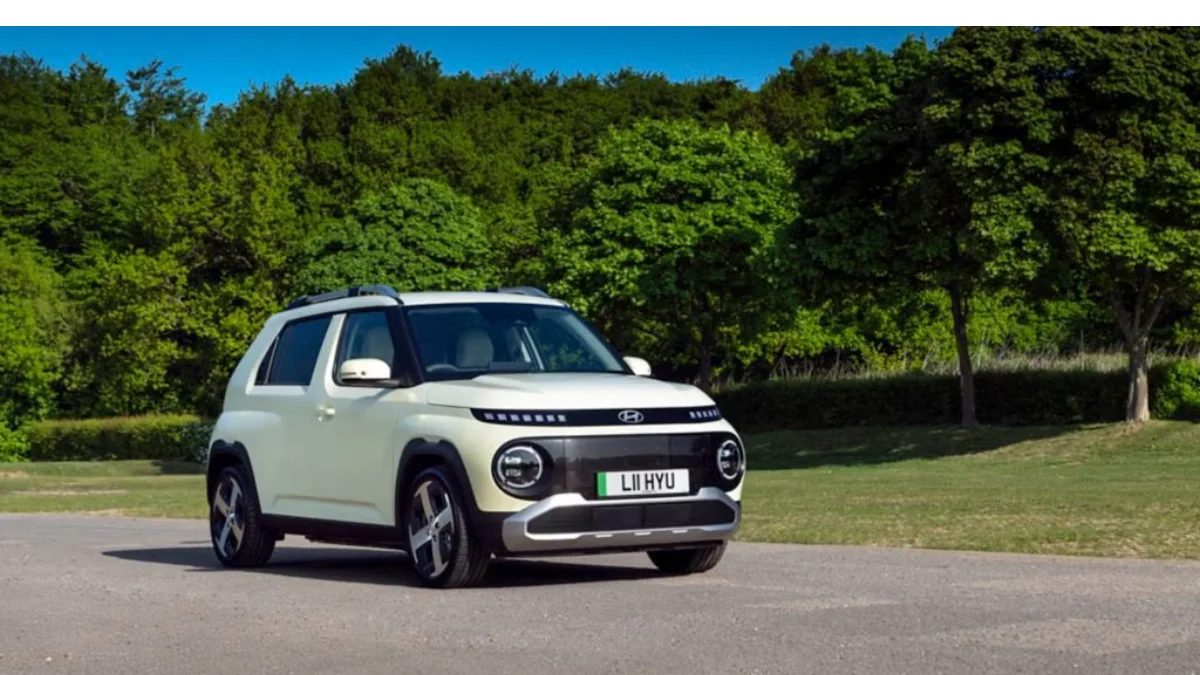
It will go head-to-head with rivals like Tata Punch EV rival Hyundai, and that fight is going to be spicy. No doubt And yes, it looks a bit futuristic too. Not overdone, just enough to make people turn their heads at signals.
Modern Tech, Pixel Lighting and Advanced Cabin
You open the door, and it doesn’t feel boring. That’s the idea. A slim digital cluster sits in front, and a big touchscreen dominates the center. Both screens are separate, not merged. A slightly weird choice, but it works.
Software will be Android-based, smooth-ish, and connected. Hyundai EV features like pixel lighting themes, smart connectivity, and driver assist tech are expected. Everything feels a bit futuristic, but still usable. And here’s the funny part. It might feel more premium than you expect from its size. That’s the trick Hyundai is playing here. This could easily become a strong Hyundai electric car India contender if pricing stays sane.
Battery Options, Range and Variants
Two versions are likely. Standard range and long range. Both front-wheel drive. Simple setup, no drama. Battery tech will likely use LFP cells. Not fancy words, but basically cheaper and safer in daily use. That also helps pricing control, which India really needs right now.
Range? Around 475–500 km for the bigger variant. On paper, at least. Real world will be lower, as always. That’s EV life. Still, for a Hyundai sub-4m EV, that number sounds solid enough for city plus occasional highway runs.
Also read : 500km Range Compact EV Unveiled: Why India Still Wont Get It Anytime Soon
Impact on India’s Growing EV Market
India’s EV market is getting crowded, but still confusing for many buyers. This SUV is trying to sit right in the middle. Not too expensive, not too basic. That’s the strategy. And it could work.
Think of it like this: someone upgrading from a hatchback, but not ready to jump into big EV SUVs. This car fits that gap. Cleanly. It also pushes the idea of affordable electric SUV India becoming real, not just marketing talk. And yeah, competition will react. Tata, MG, others nobody is sleeping
