
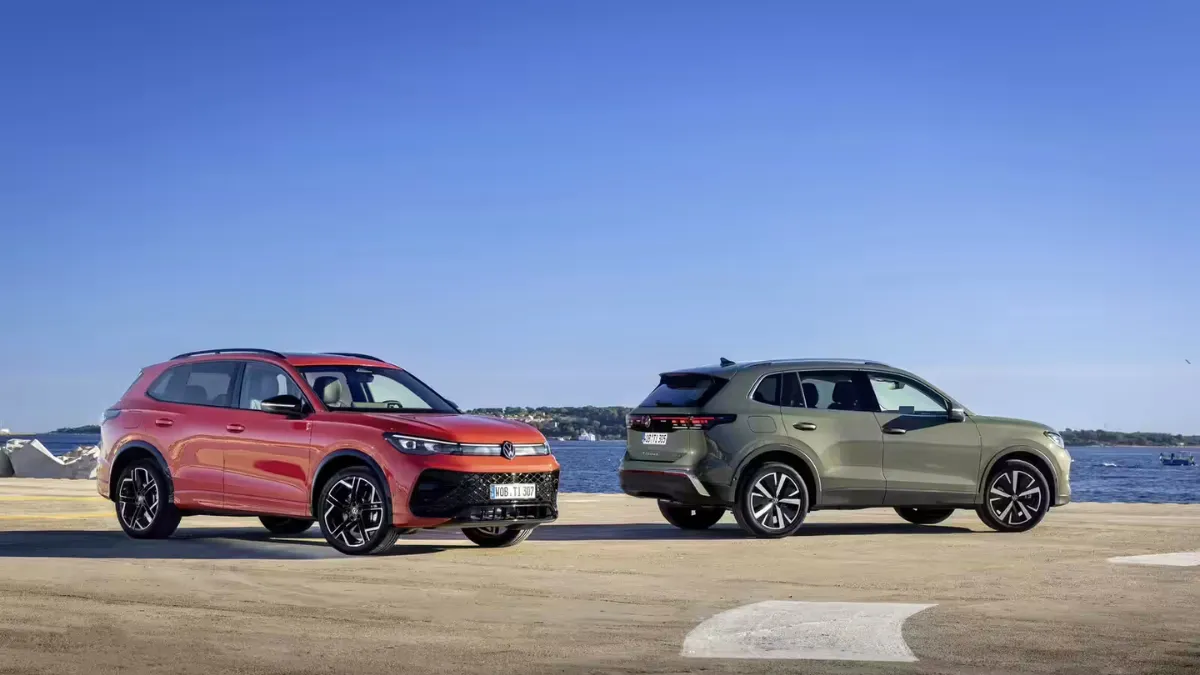
Volkswagen has dropped something interesting into the global auto conversation again. A new full hybrid system. Not fully electric, not plug-in either. Something in between. And honestly, this middle path might be the most practical one for markets like India right now. You know how the EV talk is everywhere, but charging points still feel uneven? Yeah. Volkswagen seems to have noticed that gap. And they’ve quietly worked around it.
Beginning of a New Hybrid Direction
Volkswagen isn’t rushing. It never really does. But its electrification journey is clearly shifting now. The idea behind Volkswagen hybrid cars India is becoming more relevant than before. Picture this. A Golf or a T-Roc running with a turbo-petrol engine, but also carrying two electric motors inside the system. Not for show For real assist.
Related News
It feels like the car is doing small negotiations with itself while driving. Engine says I’ll handle this, motors reply let me help a bit. Strange way to imagine it, but that’s kind of how it works. And yes, it can run short distances on pure electric mode. Quiet Smooth Then back to hybrid again. No plugging in Just drive and go.
How the New Hybrid Technology Works
Now the technical side. It’s built on what you could call advanced VW hybrid technology, though Volkswagen hasn’t made it feel overly complicated for users. Energy is recovered during braking. Stored. Then reused. Simple idea, but effective. That equation? It’s not about cars directly, but the logic behind energy behavior kinda connects. Pressure, volume, energy changes similar thinking applies in hybrid systems too.
In city traffic, especially stop-go chaos, the system quietly switches roles. Sometimes engine leads. Sometimes electric motors take over for short bursts. You won’t even notice most of the time. That’s the point. Fuel savings happen in background No drama.
Why This System Matters for India
India is tricky for EVs. Not impossible. Just uneven. And that’s where Volkswagen new hybrid system suddenly looks very smart. No need to depend on charging stations. No anxiety about range. Just fuel up and drive, but with electric support in between.
Cities like Mumbai, Bengaluru, Delhi traffic doesn’t move cleanly. It crawls. Stops. Moves again. Stops again Perfect conditions for hybrid efficiency actually. Funny how that works. This is why Volkswagen full hybrid tech India, even if not officially confirmed, feels like it belongs here. The timing almost makes sense already.
Difference from Existing Hybrid Systems
There’s a strange comfort in this system. It doesn’t try to be futuristic like full EVs. It doesn’t stay basic like mild hybrids either. It sits in the middle. Slightly confused? Maybe. But effective. That’s also why Volkswagen electrification India strategy could quietly shift if this tech enters production for India.
And yes, buyers here are like this they want efficiency, but not dependency on chargers everywhere. So naturally, upcoming Volkswagen hybrid cars might actually find a real audience. No hype needed Just practicality.
Future Outlook and Possibilities
Volkswagen is playing long game. Very long. Not everything is about EV revolution overnight. Sometimes it’s about transitions that feel invisible. This is one of those cases. If this system comes to India, it could slowly change how people think about fuel efficiency. Not in a dramatic way. More like oh this actually works better than expected.
That’s usually how adoption begins anyway. And the VW full hybrid advantage India angle becomes clear here lower running cost, smoother city driving, less dependency on charging infrastructure. Simple benefits But they matter a lot.
Also read : Volkswagen Taigun Facelift Reaches Dealerships Across India
Final Thought
So yeah, Volkswagen’s full hybrid approach isn’t loud. It doesn’t scream innovation like some EV launches do. But it feels grounded. Real And maybe that’s exactly what markets like India need right now. Not extremes. Just balance Somewhere between petrol past and electric future.
