
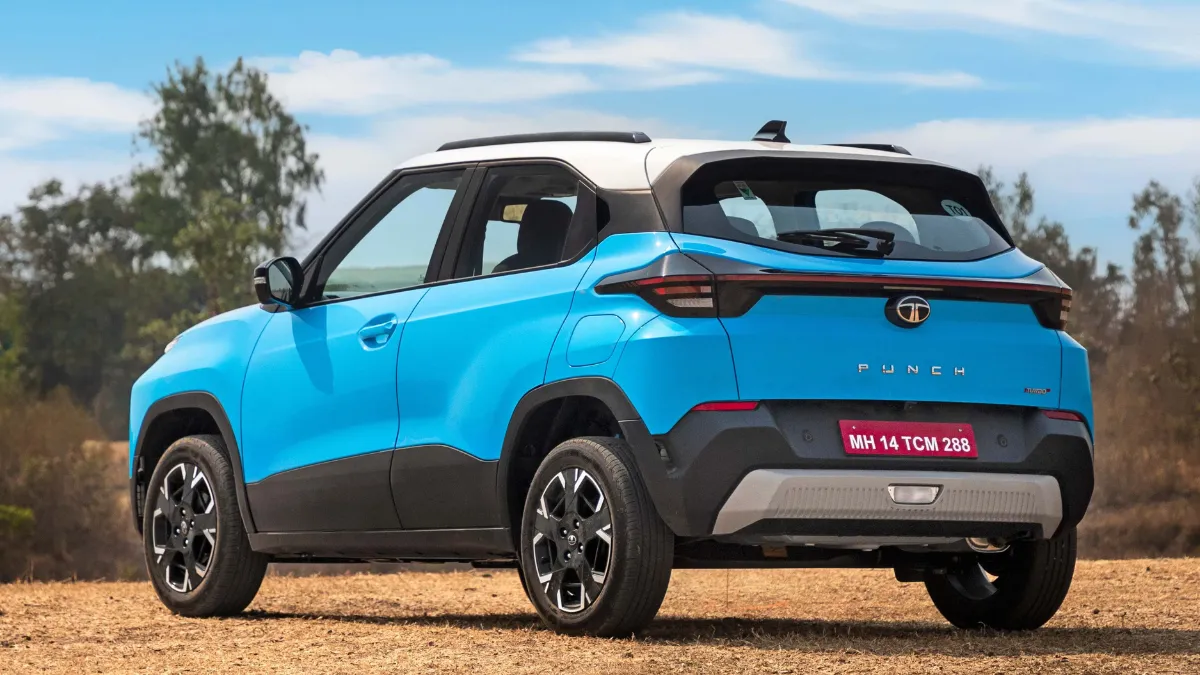
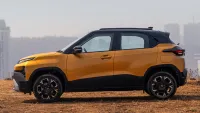
On the outside, it’s familiar stuff. Connected LED DRLs. Connected tail lamps. Slightly redesigned bumpers. A cleaner front. Nothing dramatic. Tata simply desires the EV to look much less like a one-off test and more find it irresistible belongs in the Punch own family.
Related News
Inside, the mood changes. Bigger screen. A 12.3-inch unit. The old one wasn’t bad, honestly. But not bad doesn’t win in 2026. Bigger screens do. Nexon EV has it. Curvv has it. Punch EV needed to catch up. Simple.
ADAS in a Punch EV? Really?
This is where Tata gets ambitious. There’s talk of ADAS. Adaptive cruise. Lane assist. The whole brochure-friendly package. On paper, it sounds impressive. Sub-₹15 lakh EV with ADAS? Big claim.
In reality? Indian roads are chaos. Lane markings vanish. Traffic ignores rules. Cows don’t care about sensors. Still, on highways, adaptive cruise actually works. Sometimes. And Tata knows buyers love seeing “ADAS” on the feature list.
What Tata Didn’t Change (And That Matters)
Same batteries. Same motors. Same performance. 25 kWh. 35 kWh. 265 km and 365 km claimed range. No extra punch, literally. This facelift isn’t about driving better. It’s about looking newer. Feeling newer. Staying relevant.
Why Tata Is Rushing This
Back in early 2024, Punch EV had breathing space. Few rivals. Aggressive pricing. It sold well. Then competition woke up. Mahindra. Maruti. MG. Everyone wants a piece of the small EV pie now. Waiting three years would mean losing attention. Tata chose speed instead. Tech-company mindset. Update fast. Move on Smart But risky.
Owners Aren’t Exactly Smiling
I met a Punch EV owner recently. Bought his car in 2024. Top variant. Still paying EMI. Now he’s watching a facelift arrive with bigger screens and more tech. His car didn’t become bad overnight. But it feels old. That hurts. EV resale is already weak in India. Add an early facelift and depreciation gets ugly. Tata won’t mention it. Owners will remember it.
Also Read : Tata Punch EV Facelift 2026 Everything You Need to Know Before Feb 20!
Pricing Will Confuse People
Rumours say ₹9.99 lakh to ₹14.5 lakh. Lower base price, higher top-end. Classic strategy. Block rivals at the bottom. Charge more for features at the top. Makes sense on Excel sheets. Feels unfair if you bought the current model recently.
The Real Fight Isn’t Other EVs
At this price, Punch EV isn’t just fighting EVs. It’s fighting petrol SUVs. Venue. Sonet. Nexon petrol. Five-minute refuels. No charger drama. No range math before every trip. EVs still ask for patience. Not everyone has it.