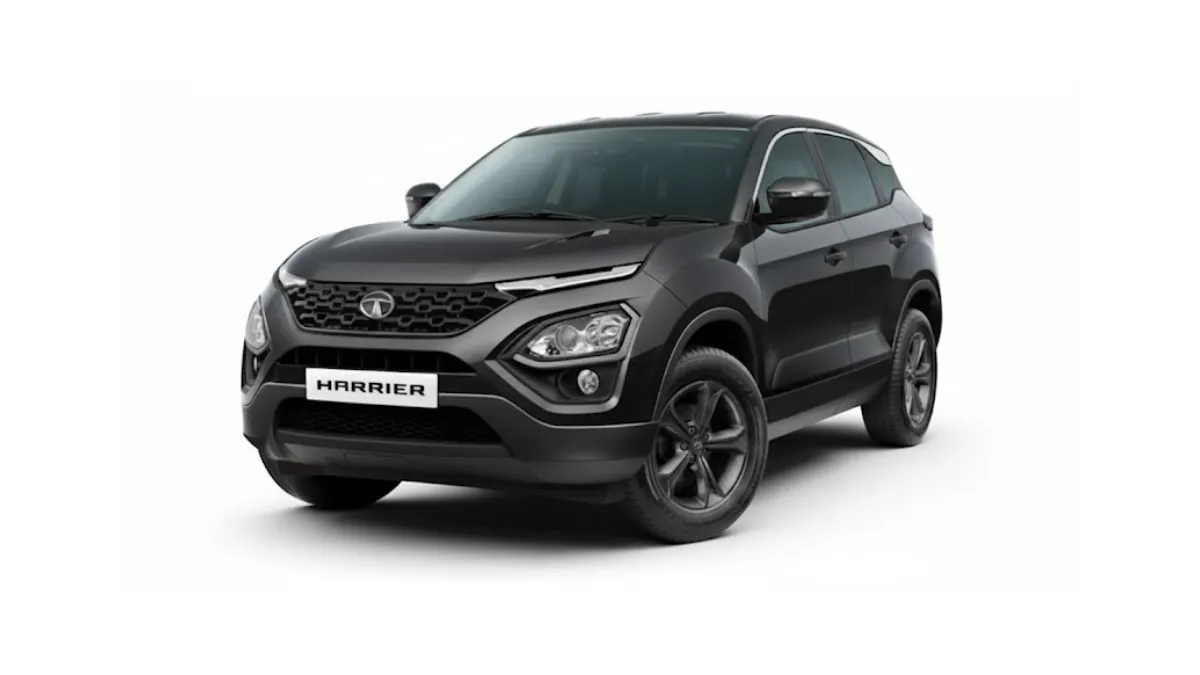
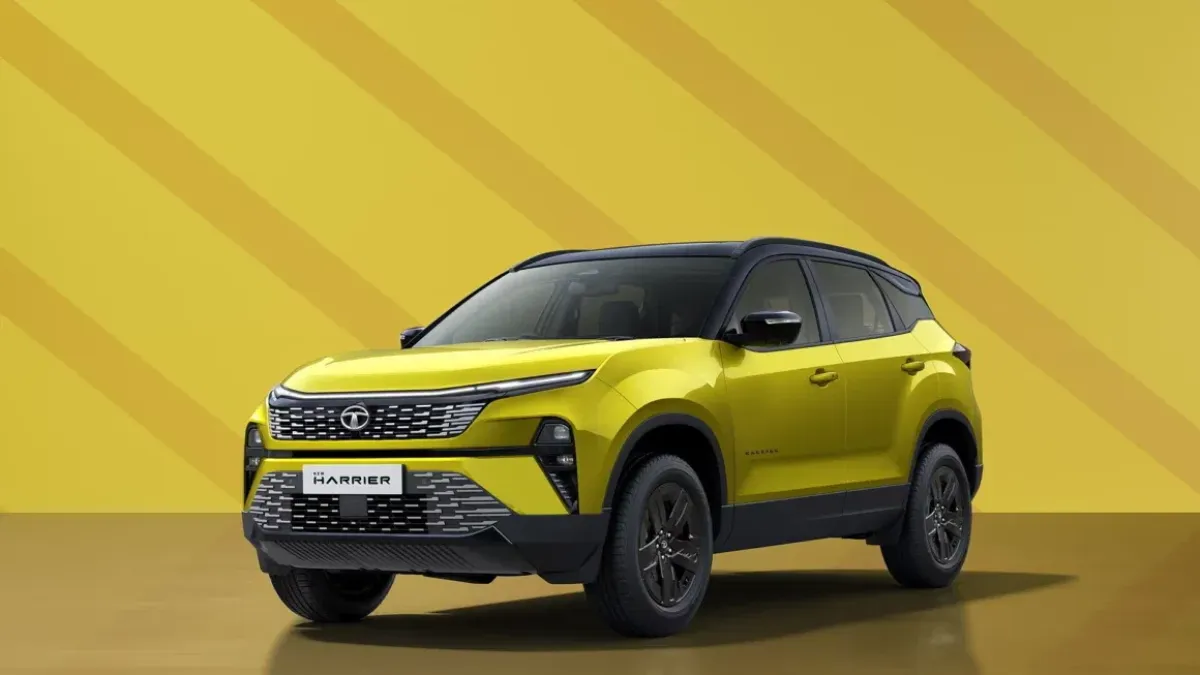
Something shifted today. Quietly No big announcement noise. Just numbers changing. Tata Motors has increased the prices of the Harrier. And yes, if you were planning to buy one this matters now. The update around Tata Harrier price increased in India confirms that diesel variants are now costlier by ₹1,100 to ₹21,500. Not massive. But not small either.
Related News

Interestingly, the base Smart diesel MT still holds at ₹14 lakh. Almost like Tata didn’t want to scare entry buyers. Smart move? Maybe.
Tata Harrier Price Hike 2026 A Small Change That Feels Bigger
So here’s what really happened. The Tata Harrier price hike 2026 isn’t uniform. It’s scattered. Some variants barely move. Others jump noticeably. That top-end trim? Yeah, that’s where you feel it most.
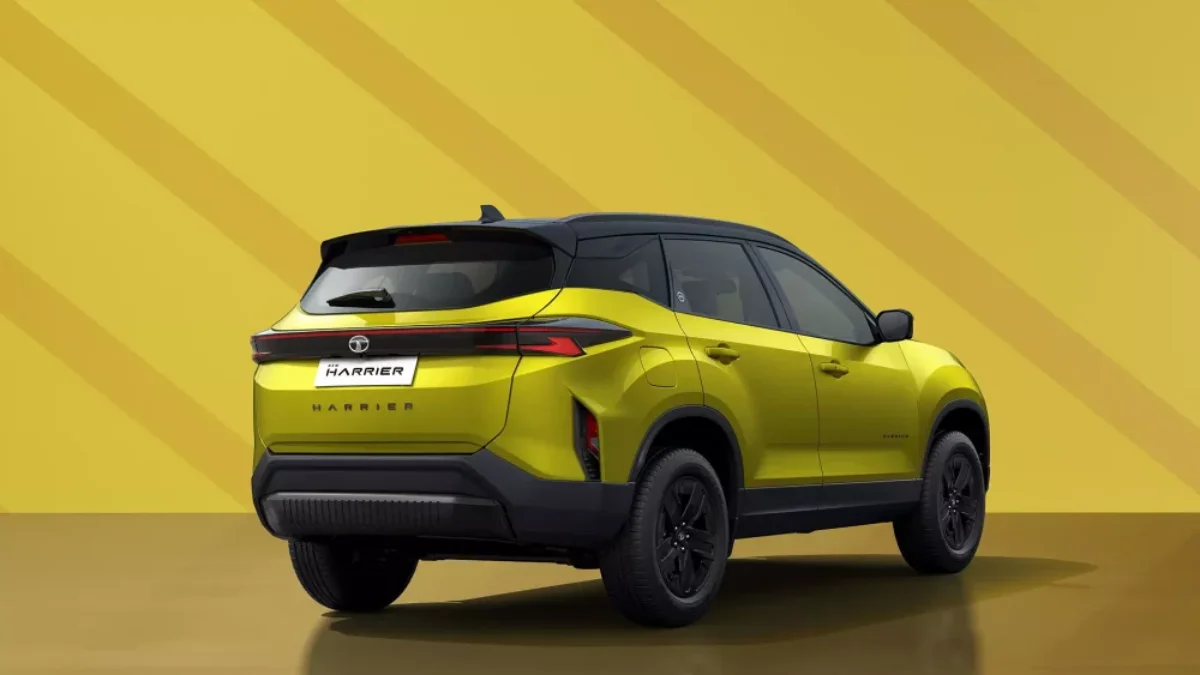
Now the diesel lineup stretches from ₹14 lakh to ₹25.35 lakh (ex-showroom). On paper, it looks normal. But when you actually sit and calculate on-road it pinches a bit more. No feature updates. No design tweak. Nothing flashy. Just pricing. Which tells you something this isn’t about improving the car. It’s about balancing the business.
Tata Harrier New Price India Petrol Stays Calm For Now
Here’s the interesting part. The Tata Harrier new price India story doesn’t touch petrol at all. Not yet. Petrol variants continue from ₹12.89 lakh to ₹24.06 lakh. Same as before. No drama. And EVs? Completely untouched.
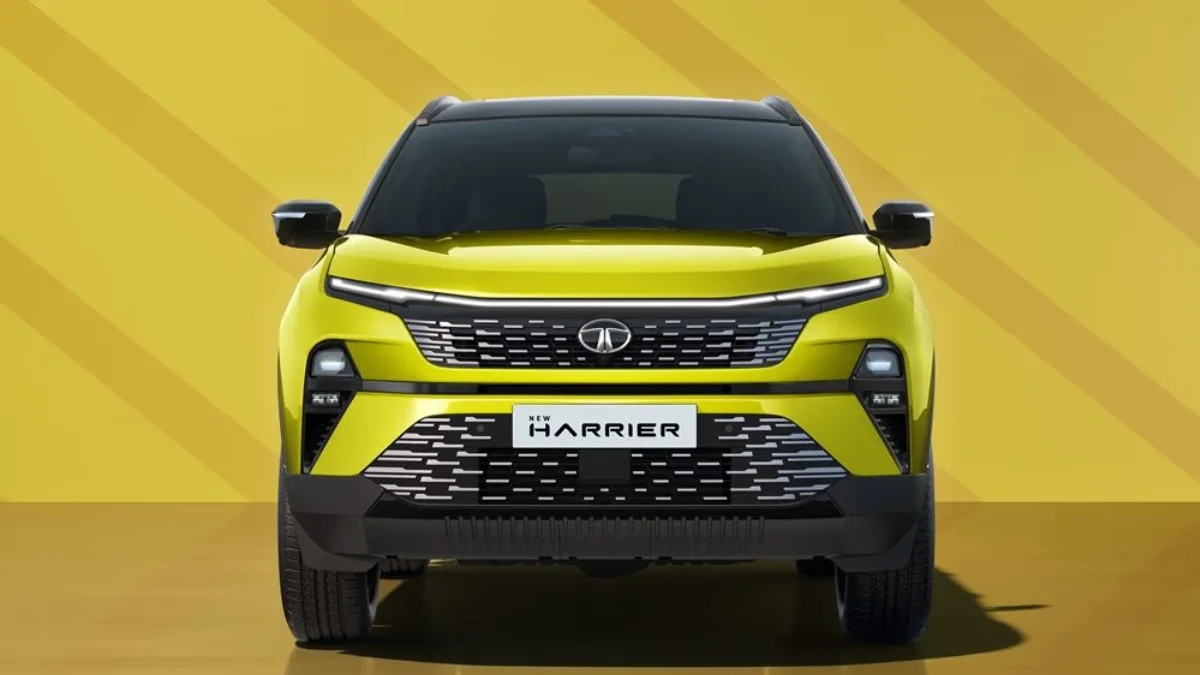
It almost feels like Tata is playing safe here. Diesel takes the hit. Petrol buyers get a breather. For now, at least. If you’ve been confused between petrol and diesel this update kind of nudges you. Subtly.
Harrier Diesel Price Increase The Reason Nobody Talks About Clearly
Why did this happen though? The Harrier diesel price increase isn’t random. Costs are rising. Everywhere. Manufacturing, logistics, compliance all going up slowly. BS6 Phase 2 norms didn’t help either. Engines are cleaner now, sure. But also more expensive to build.
And then there’s demand. SUVs are selling. A lot. When demand is strong, companies adjust prices. Simple logic. Not always fair, but real. Still, even after the hike, the Harrier doesn’t lose its charm. It still feels solid. Still looks like it owns the road. That hasn’t changed.
Also read : Tata Model Wise Sales Dec 2025 Sierra, Nexon, Punch, Harrier, Safari
Tata SUV News 2026 What’s Coming Next Might Matter More
If you zoom out a bit, Tata SUV news 2026 is getting interesting. There’s talk. Quiet, but consistent. About a facelift. Maybe new features. Maybe more tech. And when that happens, the Harrier facelift price India could shift again.
Also, Tata’s EV push is getting aggressive. That could change how people even look at diesel SUVs in the next few years. So yeah this price hike? It’s just one part of a bigger story.