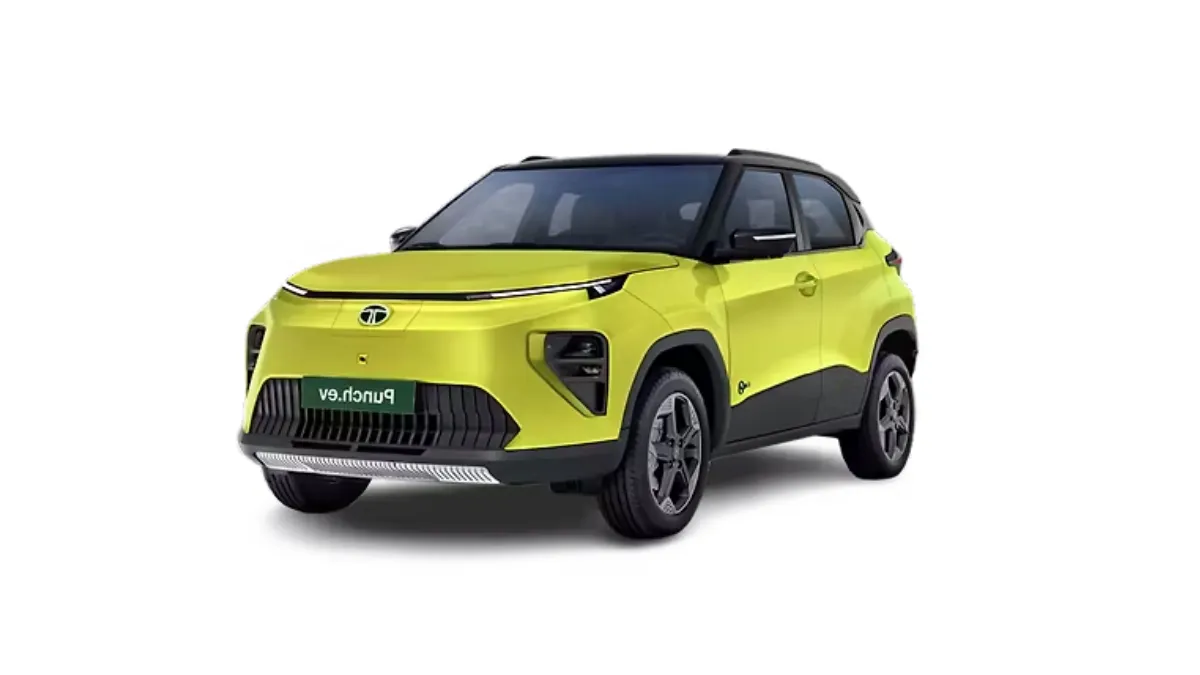

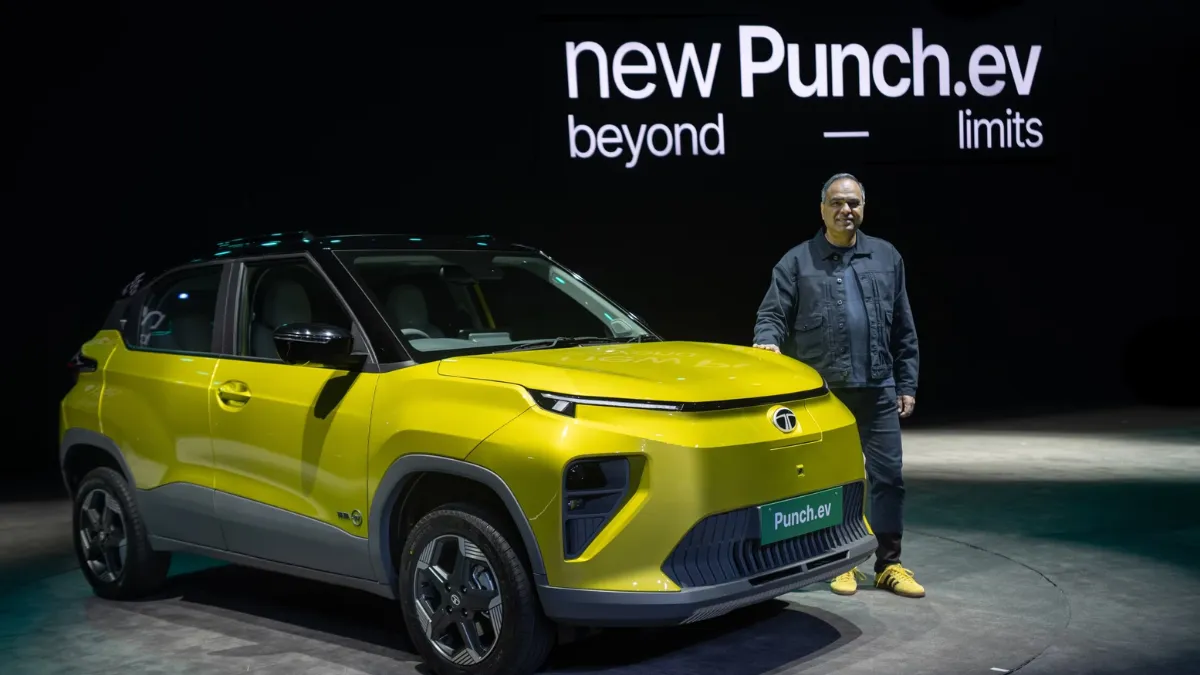
Tata Motors introduced a new approach for its popular compact electric SUV, the Punch.ev, through a Battery-as-a-Service (BaaS) option. With this option, the total cost of the vehicle can drop from ₹9.69 lakh to ₹6.49 lakh, while the battery cost is billed separately at roughly ₹2.6 per kilometre. This move aims to make electric vehicle ownership comparable and accessible to conventional petrol cars. Tata Motors’ Managing Director, Shailesh Chandra, clarified that it is not a service but a financial tool to help customers better understand EV costs.
Related News



Tata’s Vision Behind BaaS
The primary goal of Tata Motors’ BaaS model is to reduce mental barriers for customers. Entry-level EV buyers often hesitate due to concerns about battery lifespan and the high upfront cost. By separating the vehicle and battery costs, customers can perceive it more like familiar running expenses, similar to fuel bills. Shailesh Chandra emphasized that the model is designed not to change vehicle ownership but to change perception. It allows customers to compare EV running costs with petrol cars more easily.
EV Financing and Customer Experience
Tata Motors has currently limited this scheme to the entry-level segment.This version is specifically beneficial for small-finances consumers, as it lets in charge in two EMIs one for the car and one for the battery. This new method to EV financing reassures clients that electric vehicles can be low cost regardless of higher prematurely charges.
Also read : Tata Punch EV Facelift vs Maruti e‑Vitara: Ultimate 2026 Comparison
The Importance of BaaS in India
BaaS penetration in India remains limited to 2-3% of EV sales. According to tata Motors, it is a transition mechanism to encourage reluctant buyers to enter the EV segment. Chandra emphasized that “approximately 65% of the passenger car sales in India are in the price band below ₹12 lakh, which is also close to the median on-road price.” This is the segment in which the adoption of EVs is currently the weakest, and the Punch.ev could be a gateway car for mass EV adoption.
Indian and Global Perspective
MG Motor India has also experimented with battery financing in India, while globally, companies like NIO treat BaaS as a core infrastructure strategy. Tata Motors’ approach is simpler, without a swapping network or subscription model. It is purely a financial instrument designed to enhance the customer experience.
Also read : Tata Punch EV 2026 Launched Just ₹9.69 Lakh, 355 km Range & BaaS Option
BaaS Future Prospects
Tata Motors’ step could not only boost EV adoption but also change perceptions of electric vehicles in India. If this separate payment system for vehicles and batteries becomes popular, it could be expanded to other segments. This may significantly accelerate the adoption of entry-level EVs and contribute to India’s electric mobility growth.