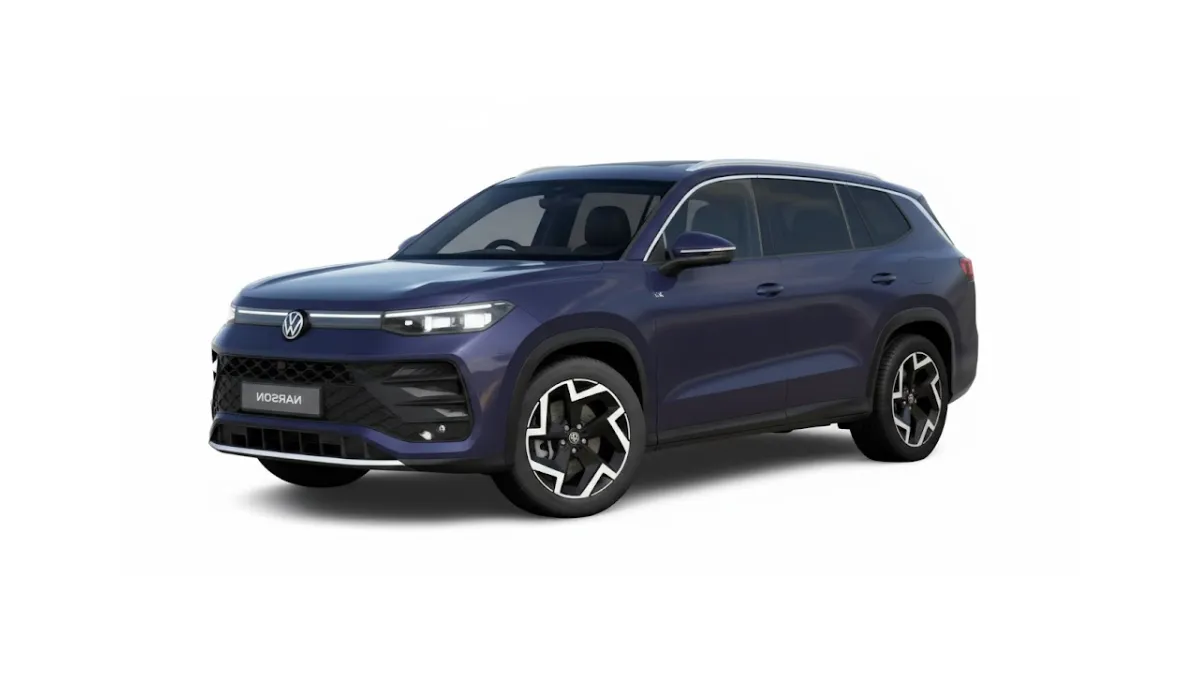

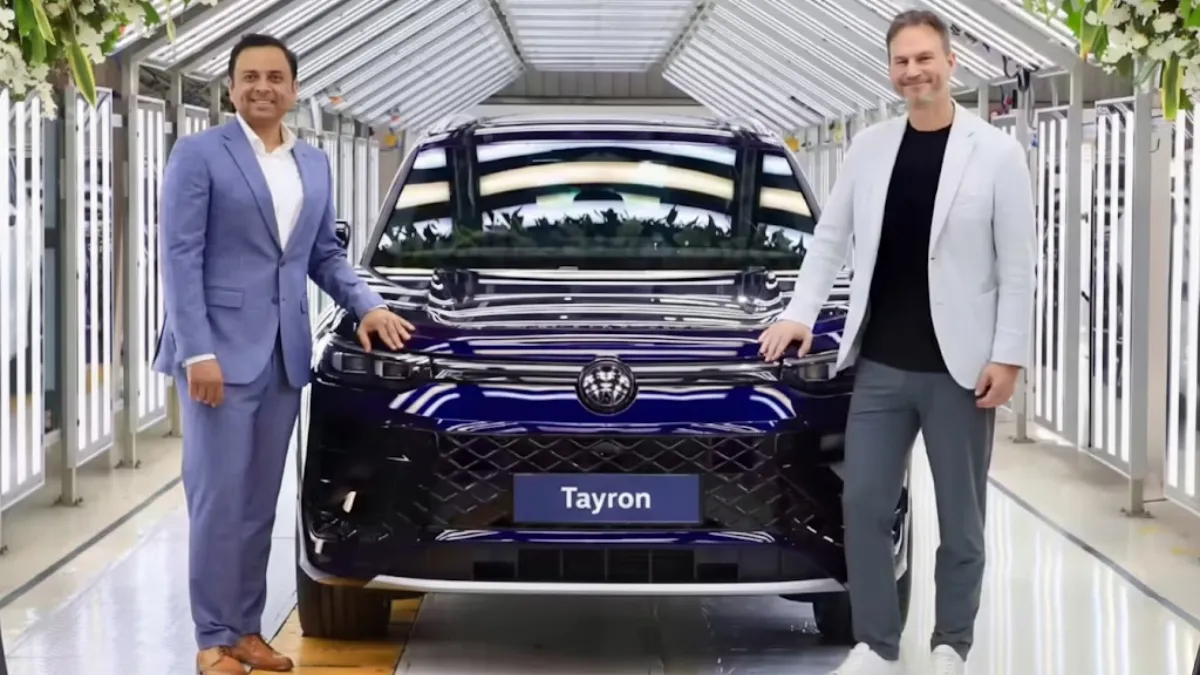
Volkswagen has pressed the start button. Quietly, though. The Tayron R-Line has begun rolling out of the Chhatrapati Sambhajinagar plant. No fireworks. No drama. But make no mistake, this moment matters.
Related News
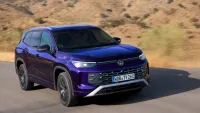
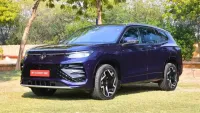
This is Volkswagen stepping back into the premium three-row SUV space. Again. And this time, they seem serious. Or at least, more deliberate than before.
Placed Above Tiguan. That Says A Lot.
The Tayron R-Line sits above the Tiguan R-Line in Volkswagen India’s lineup. That’s not accidental. That’s positioning. Clear and calculated. VW is basically saying We want the Fortuner buyer to look at us. Bold claim. Because Indian buyers in this segment don’t experiment easily. They remember. Everything.
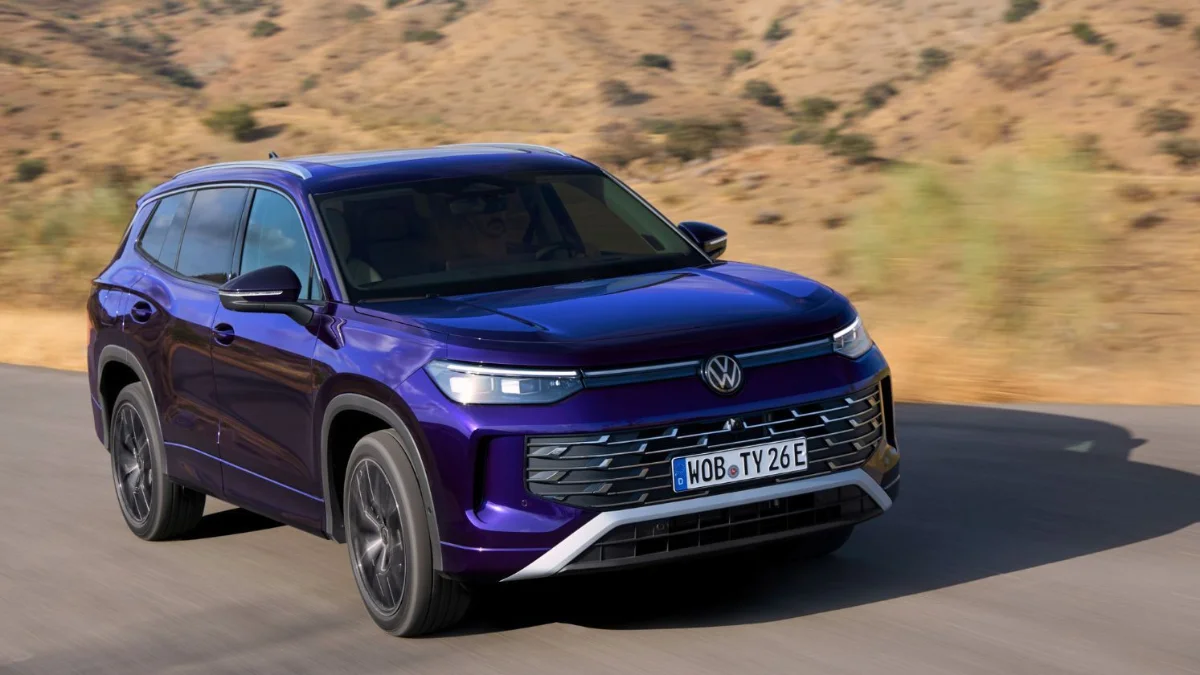
I still remember a conversation with a long-time VW dealer during the Tiguan Allspace days. He shrugged and said, good car, wrong price, wrong time. That sentence stuck.
Same Engine, Trusted. Also Questioned.
Under the hood, it’s familiar territory. The 2.0-litre TSI petrol engine. 201 bhp. 320 Nm. Seven-speed DSG. 4Motion AWD. On paper, this setup still looks strong. Almost too easy. But real life isn’t a brochure.
I’ve driven this powertrain enough to know its moods. On highways, it’s lovely. Calm. Confident. In traffic, though, the DSG sometimes pauses. Just a beat. You notice it. Some people don’t care. Some absolutely do.
Why Local Assembly Actually Matters
Production at Chhatrapati Sambhajinagar isn’t just about cost savings. It’s about intent. Commitment, if you want to sound corporate. Years ago, during a plant walkthrough, an engineer once told me something simple. When we build it here, we fix things faster. That’s it. No big speech. Just that.
Volkswagen starting Tayron production within a year of its global debut does say something. But Indian customers don’t clap at timelines. They look at service bills.
Interior Talk. Screens, Space, Reality.
VW has already shown the dual digital screens, interior theme, colours. It all looks premium. Clean. Very German. The cabin is expected to be close to the Skoda Kodiaq. Which is good news. Space should be decent. The third row, especially, will be under a microscope.
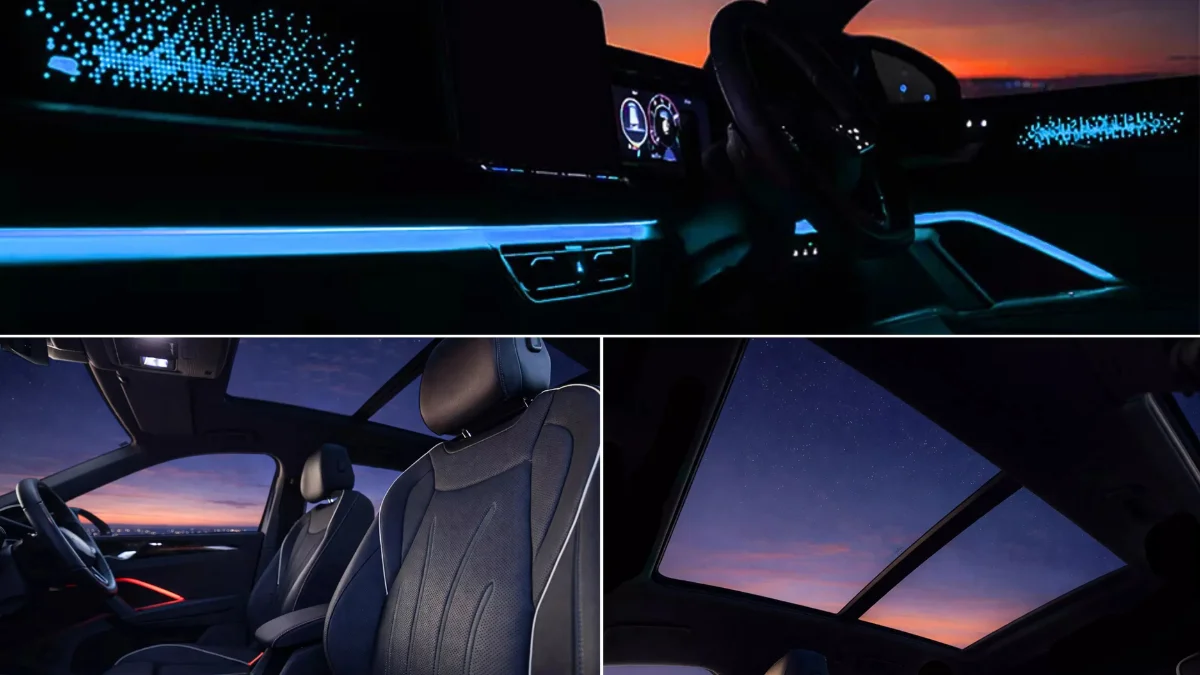
Calling something a true seven-seater is easy. Living with it daily is not. I once asked a dealer, straight up, can adults actually sit there for long drives. He smiled. Then paused. Then said, depends.
Competition Isn’t Nervous. At All.
The Tayron R-Line walks straight into a tough room. Toyota Fortuner. MG Gloster. MG Majestor. And yes, the Skoda Kodiaq sitting quietly but confidently. The Fortuner has trust. Decades of it. MG throws features at you. Skoda balances both. Volkswagen’s card is driving feel and brand heritage.
But here’s the thing. In India, German engineering only works till ownership starts hurting. Software glitches, parts delays, DSG anxiety. These thoughts don’t shout. They whisper.
Big Words From Volkswagen. Ground Will Decide.
Volkswagen India’s brand director, Nitin Kohli, says there’s strong demand for premium German-engineered cars and the Tayron R-Line is meant to make them more accessible. Sounds confident. Polished.
He also calls it VW India’s most premium SUV yet. True seven-seater space. Everyday usability. Sporty R-Line design. All the right phrases are there. Now comes the hard part. Pricing it right. Supporting it properly. Standing by it when things go wrong.
Also read : Volkswagen Tayron Review Premium Looks, But Is It Worth Your Hard-Earned Money?
An Insider’s Closing Thought
The Tayron R-Line is more than just a new SUV for Volkswagen. It’s a test of learning. Have they really understood the Indian premium buyer this time? The launch is expected in the first quarter of 2026. Until then, curiosity will build. Comparisons will start. Opinions will fly.
And when the Tayron finally reaches showrooms, one simple question will decide everything. Does it make sense against the Fortuner? Not emotionally. Practically. The answer to that will write its future.