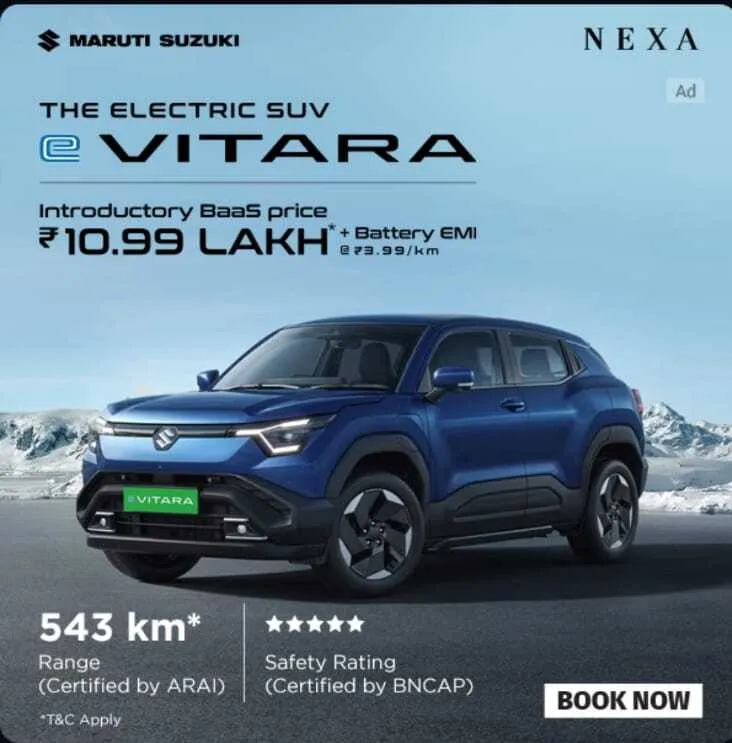

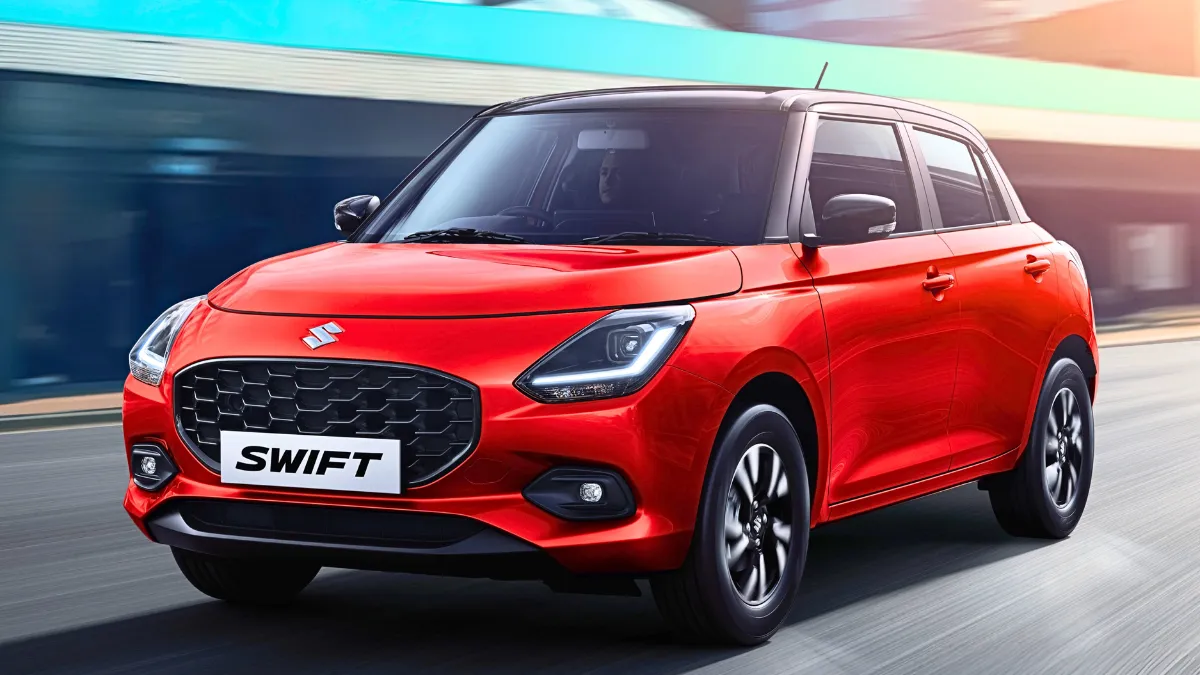
In 1983, when the first Maruti 800 rolled off the line in Gurgaon, it didn’t just change the way Indians traveled it defined a price bracket. For nearly three decades, the People’s Car lived in the sweet spot of ₹2 lakh to ₹3 lakh. It was the natural upgrade for a family of four graduating from a Bajaj Chetak or a Hero Honda Splendor. But as I sit here in 2026, looking at the latest price lists, that segment hasn’t just shrunk it has effectively been erased from the map.
Related News
Today, if you walk into a showroom with a budget of ₹4 lakh, you aren’t looking at a car you’re looking at a down payment. The True entry-level car now starts at ₹5.5 lakh on-road, and if you want basic creature comforts like power windows or a remote key, you’re knocking on the door of ₹7 lakh. This isn’t just corporate greed; it’s a perfect storm of regulation, engineering, and shifting buyer psychology.
The Regulatory Tax Safety and Breathable Air
The first nail in the coffin was the transition to BS6 Phase II. Engineering a small internal combustion engine to meet stringent Real Driving Emissions (RDE) norms is an expensive endeavor. You can’t just slap on a better catalytic converter you need sophisticated sensors, refined fuel injection systems, and often, more expensive metals in the exhaust stream. For a luxury sedan, a ₹20,000 increase in production cost is a rounding error. For an Alto or a Kwid, it’s a significant percentage of the total margin.
Then comes safety. There was a time when an airbag was a luxury feature. Today, 6 airbags are becoming the industry standard, alongside mandatory ABS, EBD, Rear Parking Sensors, and Electronic Stability Control (ESC). Add to this the structural reinforcements required to score even a baseline rating in Bharat NCAP, and you have added roughly ₹60,000 to ₹80,000 to the bill of materials for even the most basic hatchback. As a veteran of this industry, I applaud the safety. But we have to be honest: safety has a price tag that the bottom tier of the pyramid is struggling to pay.
The Semi-conductor and Commodity Trap
Even the simplest car today is a rolling computer. The entry-level segment used to be analog simple cables, mechanical linkages, and a basic thermostat. Now, everything from the throttle to the instrument cluster is digital. The global volatility in semi-conductor pricing hits the budget segment the hardest. When steel prices fluctuate by 15% in a quarter, the manufacturer has no choice but to pass that cost on to the buyer, because the margins in the ₹5 lakh bracket are razor-thin.
Psychological Shift The 'Cheap' Stigma
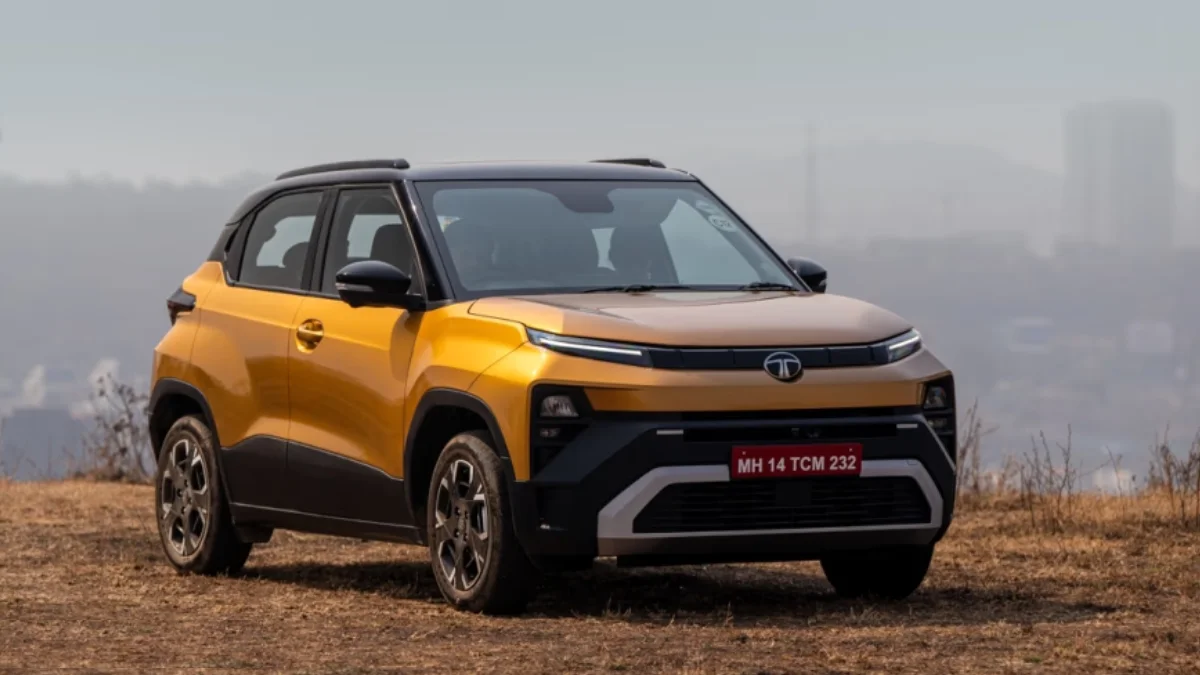
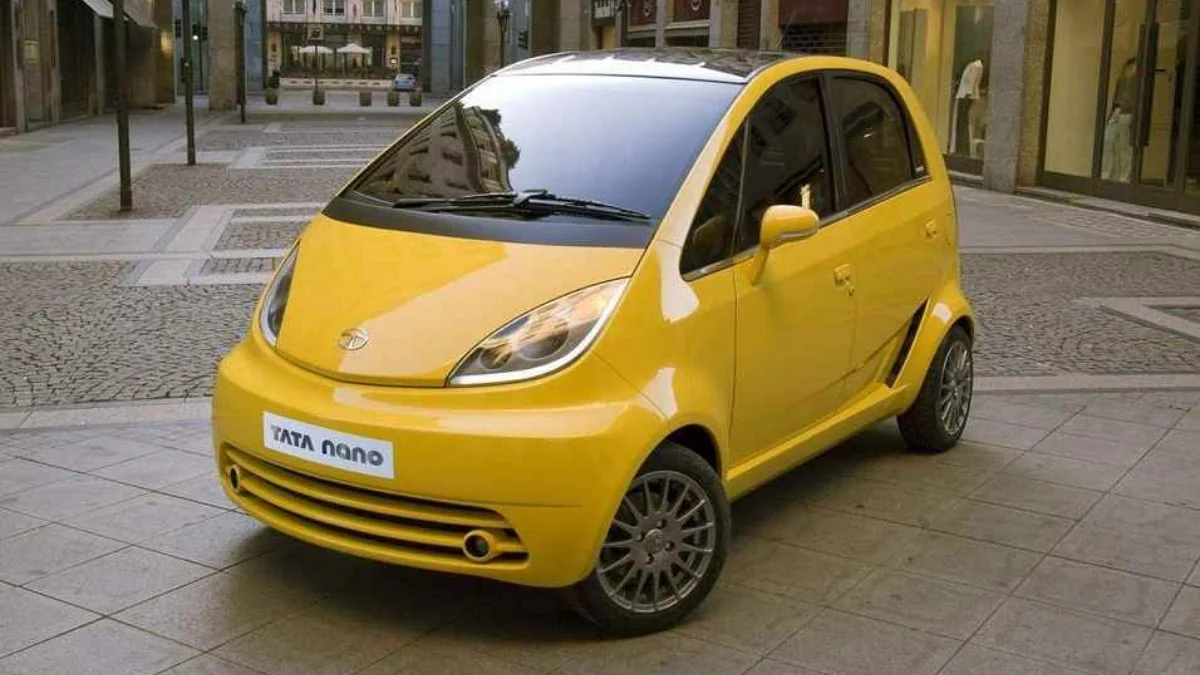
We cannot ignore the Tata Nano lesson. The Nano failed not because it was a bad car, but because it was marketed as the Cheapest Car. In India, a car is a social statement. It is a badge of your arrival in the middle class. Buyers today would rather take a longer loan (7 years instead of 5) to buy a Premium Hatchback or a Micro-SUV (like the Punch or Exter) than be seen in a bare-bones entry-level car.
The Micro-SUV is the new entry-level. It offers high ground clearance, a butch stance, and a high seating position. These cars start at ₹6 lakh and go up to ₹10 lakh. Manufacturers have realized that there is more profit and more demand in selling a lifestyle vehicle at ₹7 lakh than a transportation vehicle at ₹4 lakh. Consequently, R&D budgets have shifted away from the Alto category and toward the SUV-lite category.
The Credit Bubble and First-Time Buyers
The impact of this shift is most visible in the rural and semi-urban markets. The first-time buyer is now forced to enter the market at a much higher debt-to-income ratio. We are seeing a Used Car First trend emerging among the Indian youth. If a new basic car is ₹6 lakh, a well-maintained 4-year-old Swift at ₹4 lakh becomes the logical choice. This is fueling a massive boom in the organized used-car market (spinny, cars24, etc.), but it’s also stagnating the growth of the new-car bottom end.
Verdict from the Veteran’s Desk
The ₹3 lakh car is dead, and it isn’t coming back. The entry-level has shifted to ₹5 lakh, but more importantly, the Common Man’s car is no longer a hatchback it’s an SUV. While we should celebrate the fact that the first-time buyer today is getting a much safer and cleaner vehicle than they did a decade ago, we must also recognize that we are pricing out a significant portion of our population from the dream of new car ownership.
As we move toward 2030, the People’s Car might very well be an electric quadricycle or a shared mobility subscription. But the era of the ₹3 lakh internal combustion engine is officially an entry in the history books.