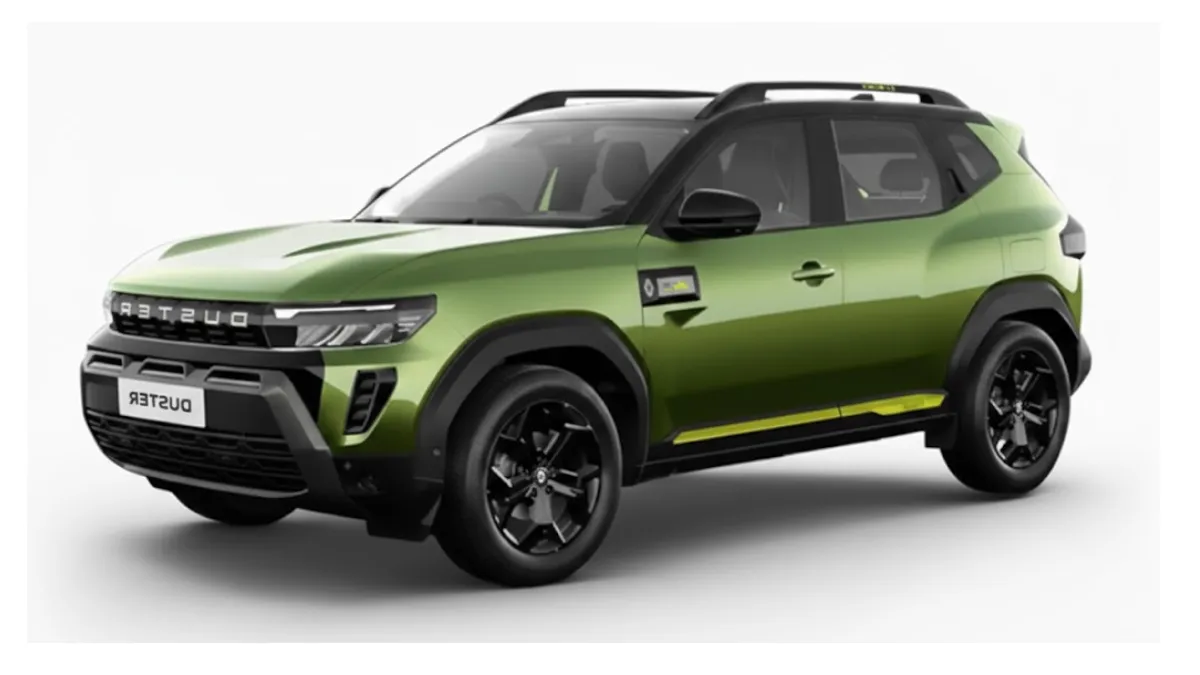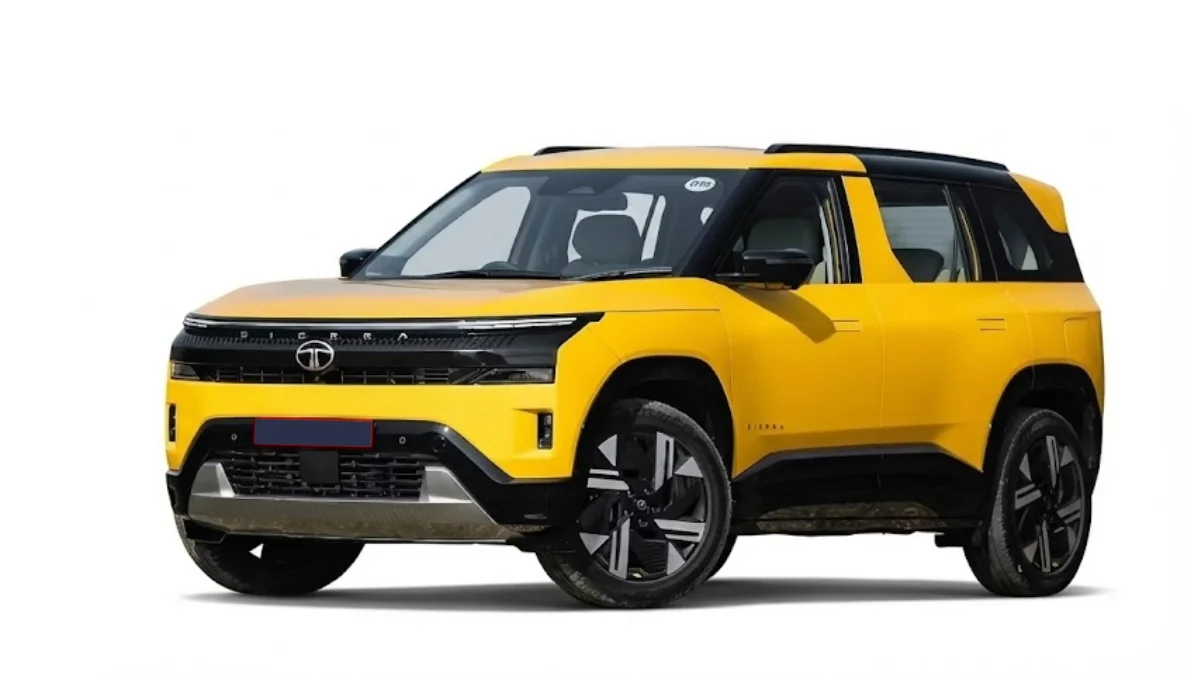

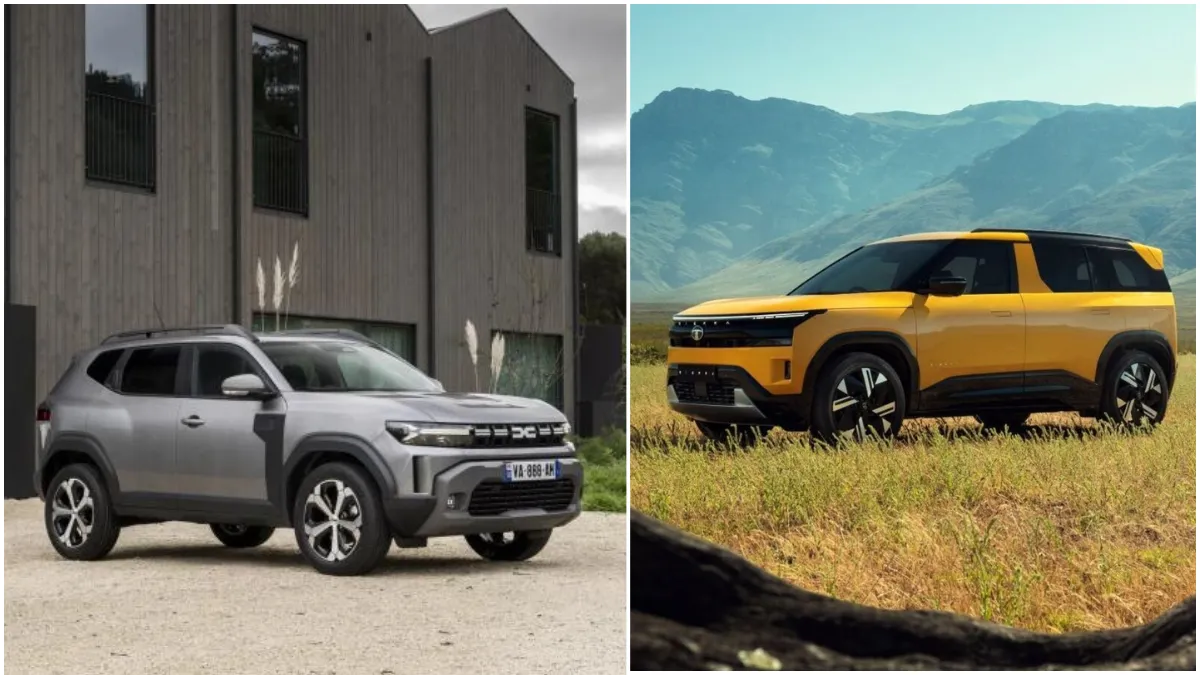
When two big names return to the market, comparison starts automatically. Tata Sierra comes with emotion. The new Renault Duster comes with reputation. Their approach is different. And that difference defines everything.
Related News
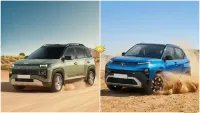
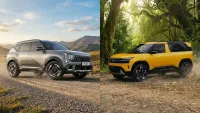
| Key Point | New Renault Duster | Tata Sierra |
|---|---|---|
| Body Type | Mid-size SUV | Mid-size SUV |
| Powertrain | Turbo petrol, hybrid expected | EV first, petrol later |
| EV Option | No | Yes |
| Drivetrain | FWD, AWD possible | FWD expected |
| Focus | Ride comfort, drivability | Technology, future-ready design |
| Safety | Airbags, ESC, ADAS expected | Airbags, ADAS focus |
| Expected Price | ₹13–18 lakh | ₹15–22 lakh |
New Duster’s reset and Sierra’s comeback story
The new-generation Renault Duster is clearly a reset. Far removed from the older one in both design and platform. Wider stance, cleaner lines, and a European taste that doesn’t try too hard. Renault is not chasing flash here. It’s simply saying, if you want a usable SUV, we’re still in the game.
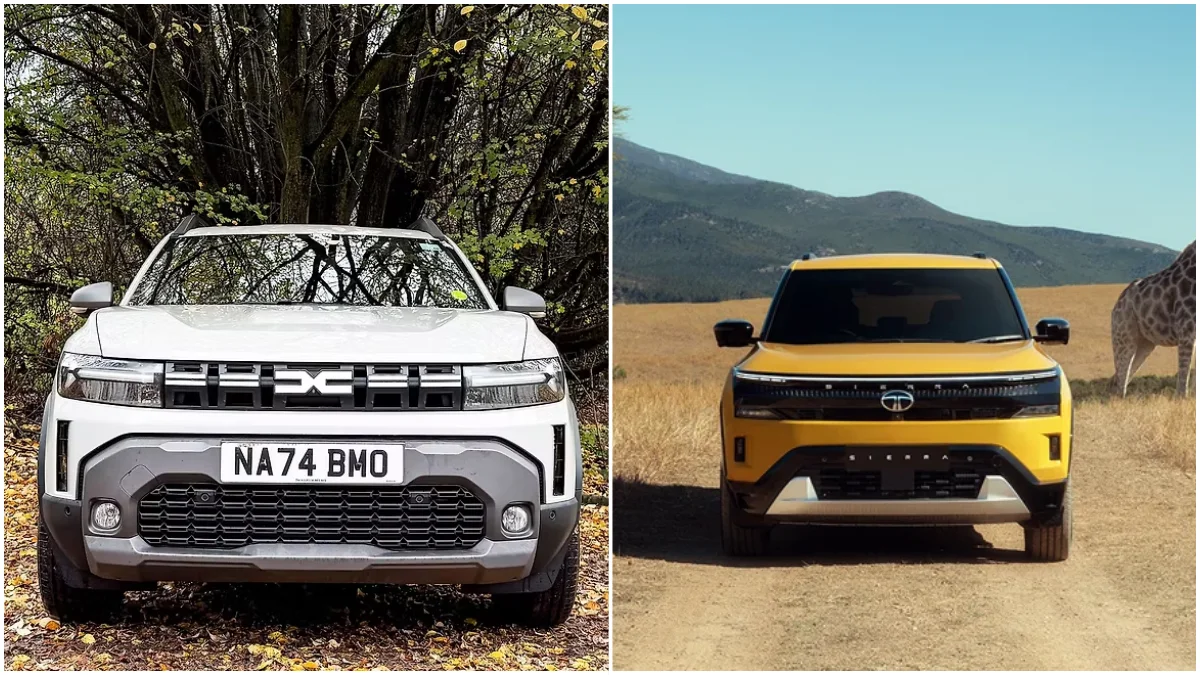
Sierra plays a different card. Tata isn’t just launching an SUV, it’s reviving a story. Glass-heavy design, concept-like presence, and that sense of this being a future-facing product. But honestly, Tata’s confidence sometimes borders on overconfidence. I’m reminded of early Altroz EV demos. Sounded exciting. Timing, not so much.
Powertrain choices and ground reality
With the new Duster, Renault isn’t shouting big claims. Turbo petrol, hybrid options, and a clear focus on drivability. This is a brand that usually talks less on paper and tries to deliver more on the road. They may say efficiency is strong, but Indian conditions always tell their own story. Traffic, heat, full load. Everything tests the claim.
Sierra brings more excitement around powertrains, especially the EV version. Tata has experience in the EV space, no doubt. But the truth is simple. A first-generation Sierra EV will be a learning product. I’ve seen early Nexon EV owners make multiple service visits just for software updates. Things are better now, but risk never fully disappears.
Also read : Top 4 Things That Will Make the New Duster a Hit
Driving feel versus tech experience
The biggest strength of the new Renault Duster has always been its chassis and suspension tuning. And from what’s emerging, the new one sticks to that formula. Slightly stiff. Well planted. Stable on highways and broken roads alike. This SUV is for people who want to feel the road through the steering.
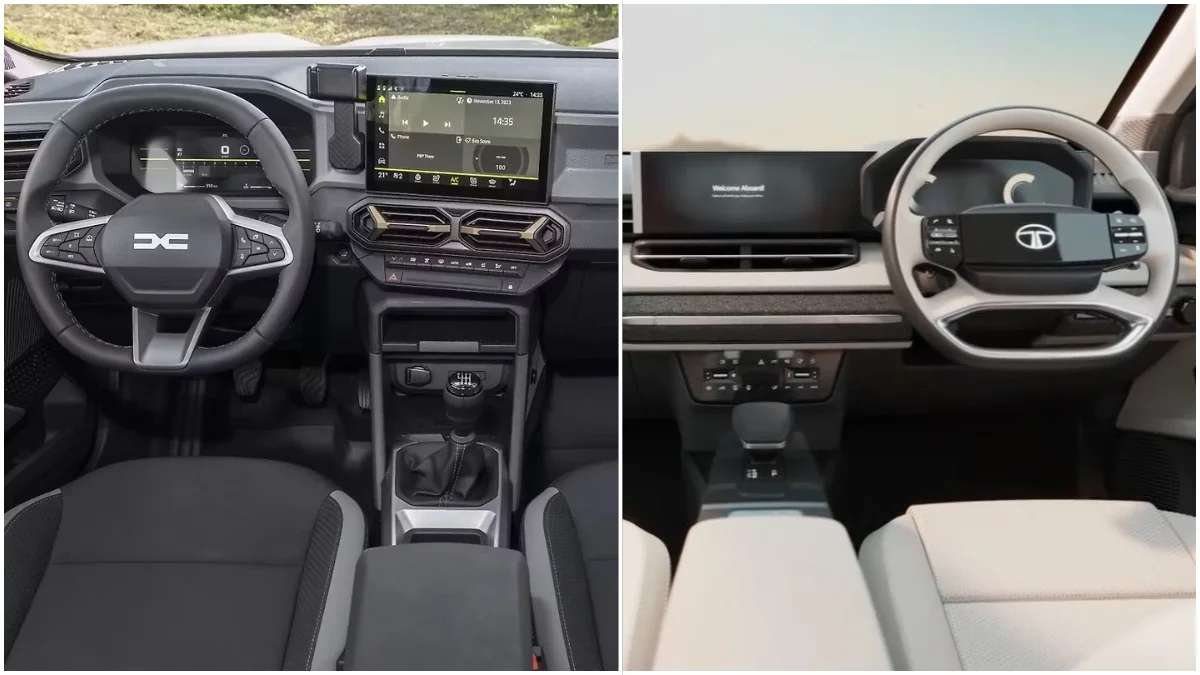
Sierra plays a different game here. Screens, interfaces, ambient lighting, connected features. The cabin wants to feel like an experience. But in India, tech is not just about wow factor. Heat, dust, and long-term use expose everything. I’ve personally seen a Safari touchscreen freeze mid-drive. Tata has improved, but trust takes time.
Safety and ownership, the practical side
Tata has made safety its identity. Sierra will carry that philosophy forward. Strong structure, modern driver assistance systems, and heavy messaging around protection. No argument there.
Renault talks less about safety, but follows global standards. The bigger question is elsewhere. Network size. If the new Duster is supported well in metros and major cities, buyers will come. In smaller towns, service reach remains a concern. That can’t be ignored.
Also read : Why the Tata Sierra Pure Variant Is the Smartest Buy No One Is Talking About
So, who should choose what
If you want a future-ready product. You’re drawn to design, technology, and brand emotion. And you can live with some uncertainty. Tata Sierra will excite you.
If you want an SUV that simply works every day. Minimal experimentation. Strong mechanical base and predictable behaviour. The new Renault Duster makes more sense. Speaking for myself. Sierra makes the heart curious. The new Duster makes the mind feel calm. And in the Indian market, it’s usually the mind that signs the cheque.