
Ten years ago, the Indian full-size SUV segment was a simpler, albeit more rugged, battlefield. If you had ₹30 lakh to spend and needed to command the road, your choices were binary the bulletproof reliability of the Toyota Fortuner or the American brawn of the Ford Endeavour. Fast ahead to 2026, and while the Endeavour remains a ghost of Christmas beyond (despite continual rumors of its return), the Fortuner has climbed into a price bracket that makes even top class luxury brands wince.
Related News


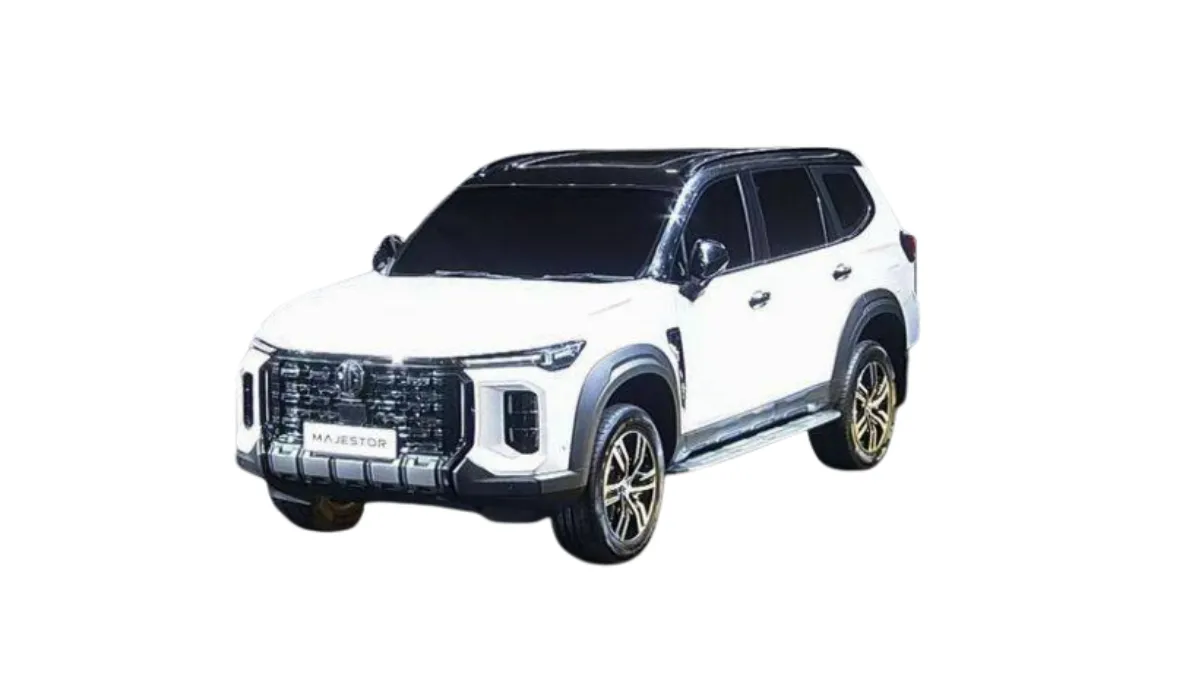
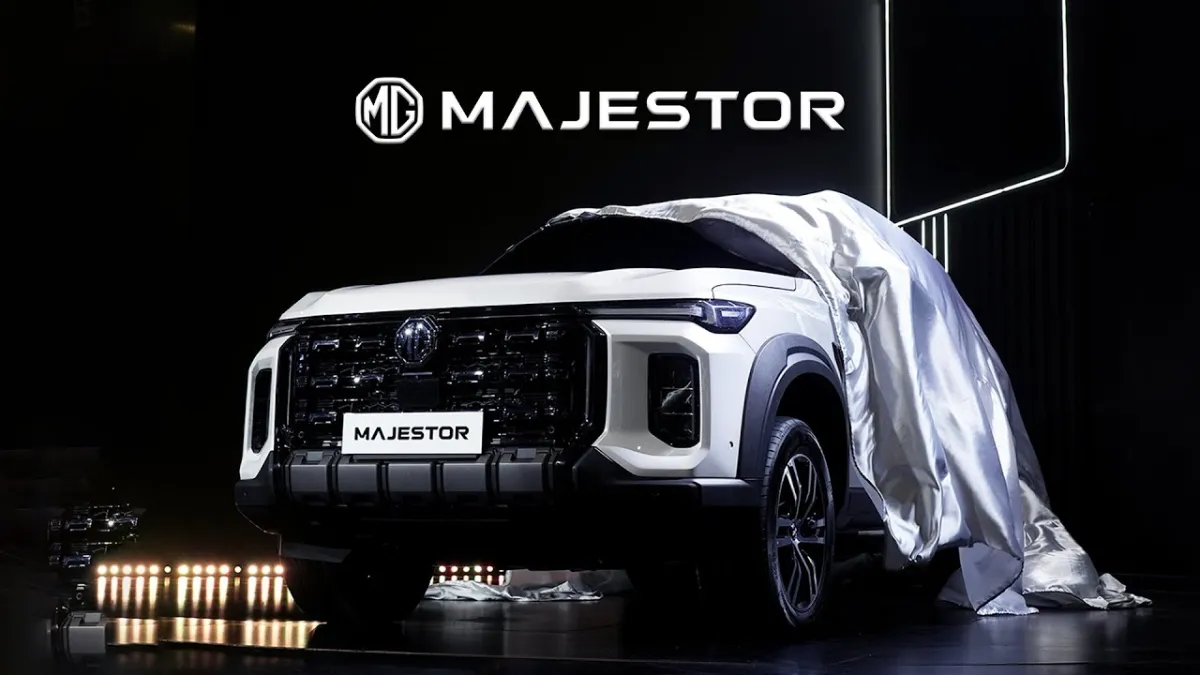
Enter the MG Majestor. Unveiled as the flagship under the newly minted JSW MG Motor India partnership, this SUV isn’t just a renamed Gloster it’s a calculated, expensive gamble. As someone who has watched MG’s journey in India from the first Hector rolling off the Halol line, the Majestor represents a pivotal moment. It’s the moment MG moves from being a feature-rich alternative to attempting to own the aspirational flagship space.
The Mechanical Reality Beyond the Chrome
Let’s talk about what keeps this 2.5-ton behemoth moving. The Majestor continues to lean on the 2.0-litre twin-turbo diesel engine, a unit that has always been the Gloster’s strongest suit. On paper, 215 PS and 480 Nm of torque sounds impressive, but the real magic is in the Bosch-sourced fuel injection system and the tuning of its 8-speed torque converter.
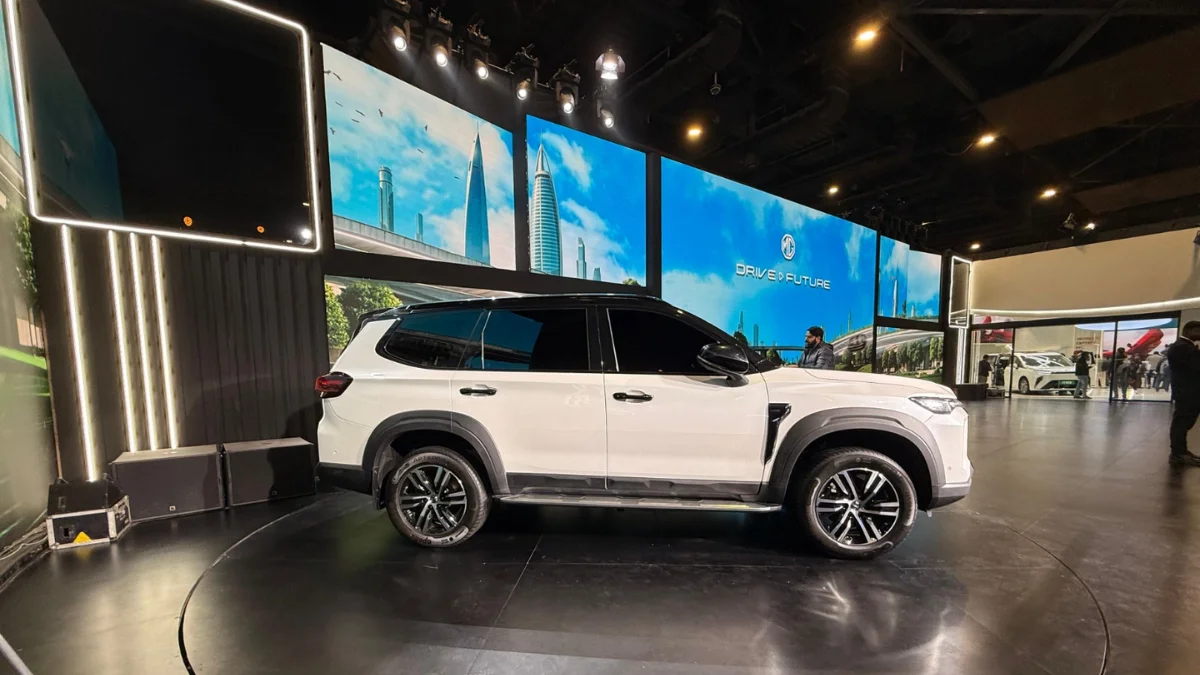
In the real world, this powertrain is about lazy power. It’s designed for the NH44 long, sweeping highways where you want to maintain a steady 100-120 kmph without the engine feeling strained. Unlike the Fortuner’s 2.8-litre mill, which often feels like a restless stallion ready to kick, the Majestor’s delivery is more linear, more refined. But here is the kicker: refinement rarely sells SUVs in this category as much as thump does. The Indian buyer in this segment wants to feel the torque, not just read about it on a brochure.
The Interior Screen Satiation
If you’ve spent any time in a modern MG, you know their philosophy: why have one screen when you can have three? The Majestor takes this to the extreme. The dashboard is a glass-fronted tech fest that looks more like a high-end gaming setup than a vehicle cockpit. Is it beautiful? Yes. Is it practical? That’s where my 10 years of road-testing kicks in.
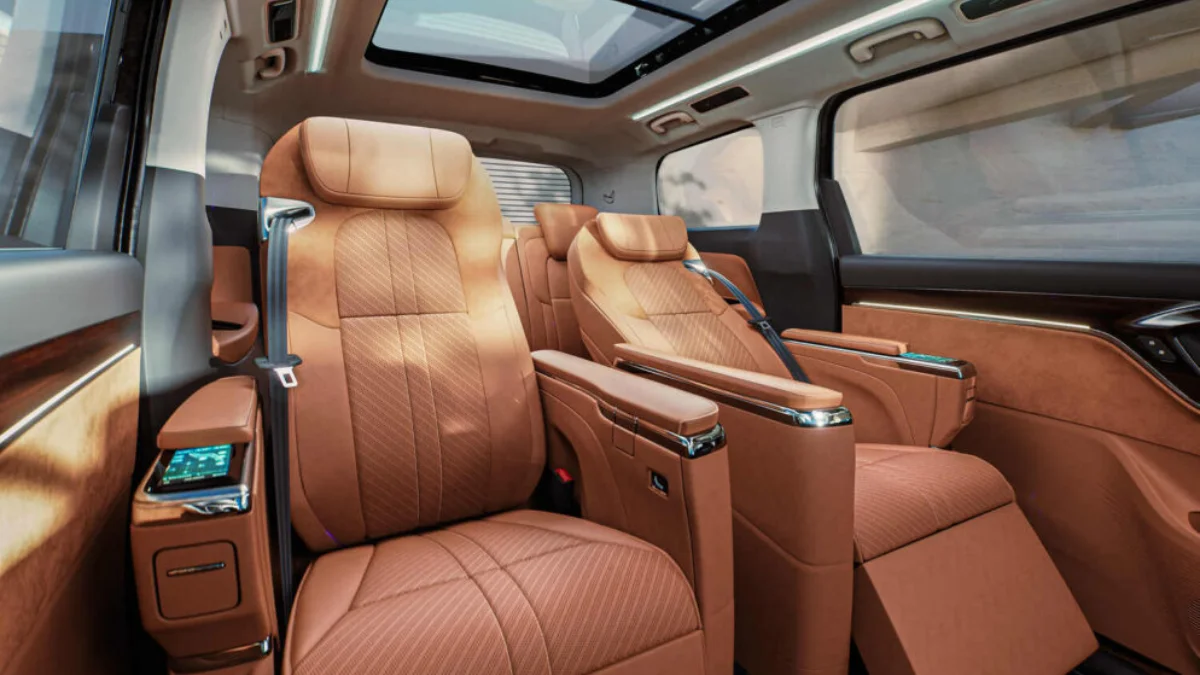
At 2 PM in a Delhi summer, with the sun beating down through that massive panoramic sunroof, high-gloss screens can become a liability. Fingerprints, glare, and the sheer heat generated by hardware can lead to the lag that owners often complain about in the secondary market. While MG has improved the cooling for the infotainment processors, the reliance on a touchscreen for basic functions like air conditioning remains a polarizing choice. In a vehicle designed for long-distance touring, physical dials for the HVAC system are a veteran driver’s best friend.
Also read : JSW Set to Take on Toyota Fortuner with Its First PHEV in India
Resale Psychology The Elephant in the Showroom
The biggest hurdle for the Majestor isn’t its engine or its screens it’s the Toyota-shaped elephant in the room. The Fortuner has achieved a level of currency status in India. Buyers know that if they buy a Fortuner today for ₹55 lakh, they can sell it in three years for ₹45 lakh. It’s a safe-haven asset.
MG’s challenge is proving that the Majestor won’t suffer the steep depreciation curves typical of feature-heavy luxury SUVs. To combat this, the JSW partnership is leaning hard into buy-back schemes and extended service packages. From an industry perspective, this is a necessary expense. They aren’t just selling an SUV; they are buying the customer’s confidence. If the Majestor can hold 60% of its value over 4 years, it will be a win. Anything less, and it remains a luxury toy for the few, rather than a staple for the many.
The JSW Influence Local Muscle
The JSW prefix in JSW MG Motor India is the hidden ace. With Sajjan Jindal’s group providing the local industrial backbone, MG now has a level of political and procurement muscle they lacked in their first phase. This means better supply chains and, potentially, more aggressive pricing. The Majestor is the first big beneficiary of this new synergy. We are seeing a shift from Chinese-owned tech to Indo-Global Engineering. For the Indian buyer, that change in perception is worth its weight in gold.
Also read : India-Bound MG Majestor Rakan Debuts Overseas Before Local Launch
Verdict from the Veteran’s Desk
So, is the MG Majestor a paradox? Yes. It offers the luxury of a BMW X3 at a price that challenges the Toyota Fortuner, wrapped in a body that looks like it belongs in a presidential convoy. But my decade in this industry has taught me that features are fleeting while platforms are permanent.
The Majestor is a fantastic highway lounge, arguably the most comfortable ladder-frame SUV currently on sale. But for it to succeed, MG needs to stop talking about features and start talking about toughness. If they can prove that the Majestor can survive a Leh-Ladakh trip as effortlessly as a South Delhi mall run, they might just have a winner. For now, it remains a brilliant, daring gamble one that every enthusiast should watch closely.