

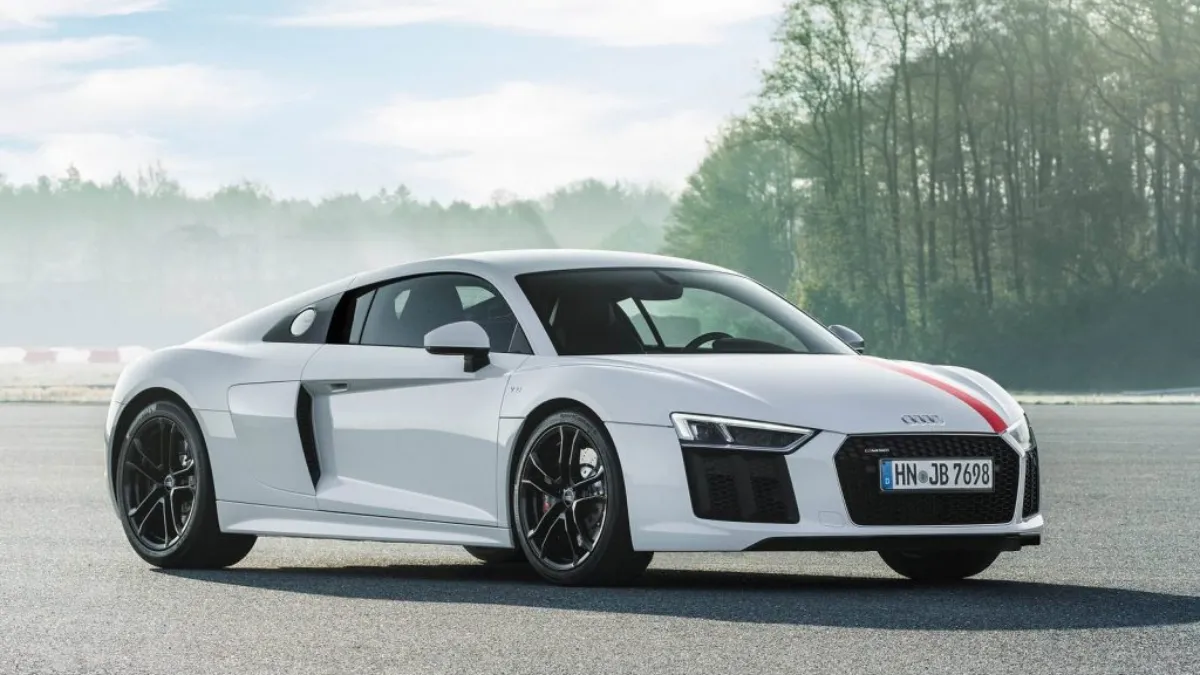
To put it straight, the auto market is about to see a major shake-up. The upcoming free trade agreement between India and the European Union is set to change the game for imported passenger vehicles. And yes, this isn’t just talk there’s a real chance of big price drops.
Related News



The Import Duties Scenario
Until now, fully built European cars faced customs duties in India as high as 110 percent. In other words, the car’s base price almost doubled after taxes. Under the new framework, these duties are set to drop significantly. ICE vehicles priced above 15,000 euros will see duties cut to 40 percent in the first phase with an annual import cap of roughly 2 lakh units.
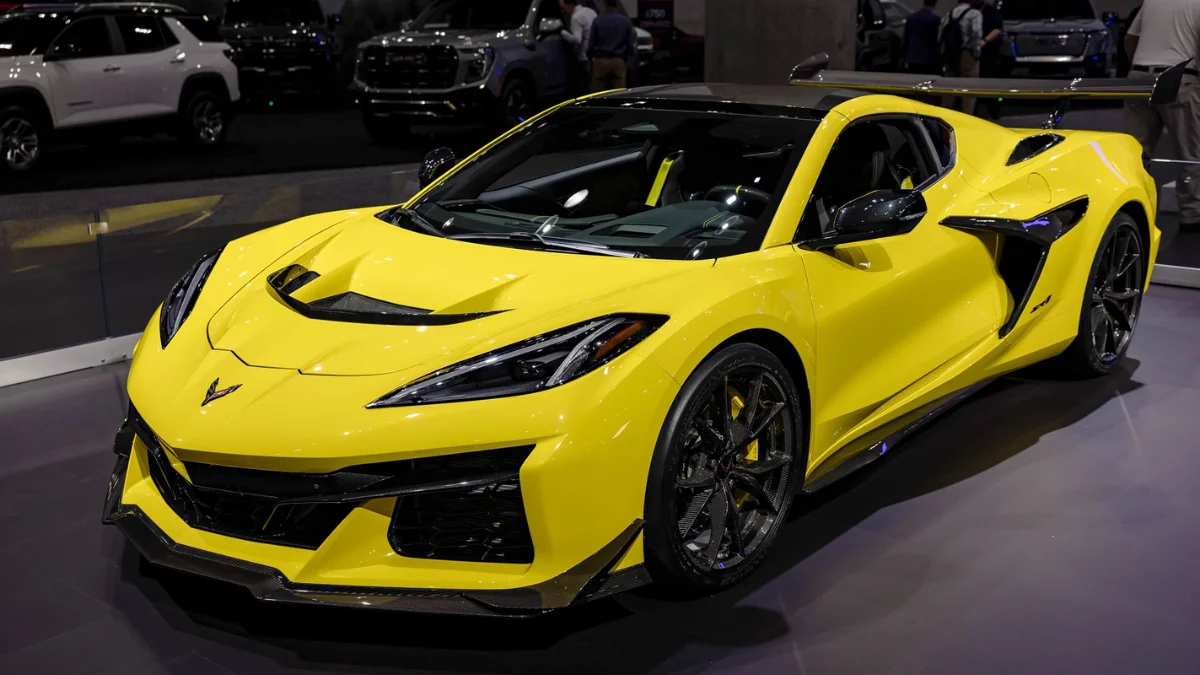
Over time, duties are expected to fall further potentially reaching 10 percent. From my experience, as the tax load decreases, luxury buyers tend to become more aggressive, and dealer inquiries are likely to spike. A dealer once casually told me BMW and Mercedes orders could see a big jump next quarter. Straight talk.
EVs and the Delay
Battery electric vehicles won’t benefit from the tariff cuts immediately. They will remain excluded for about five years probably to protect domestic EV programs led by Tata Motors and Mahindra & Mahindra. Once this window closes, EV imports are expected to follow the same phased reduction path. That’s when we’ll likely see excitement in both prices and demand.
Impact on Prices
Currently, a European car costing 45,000–50,000 euros ends up nearly doubling in price once all taxes are added in India. With duties capped at 40 percent, ex-showroom prices could drop by 30–50 percent. For buyers, this can sooner or later make the ones dream automobiles extra less expensive.
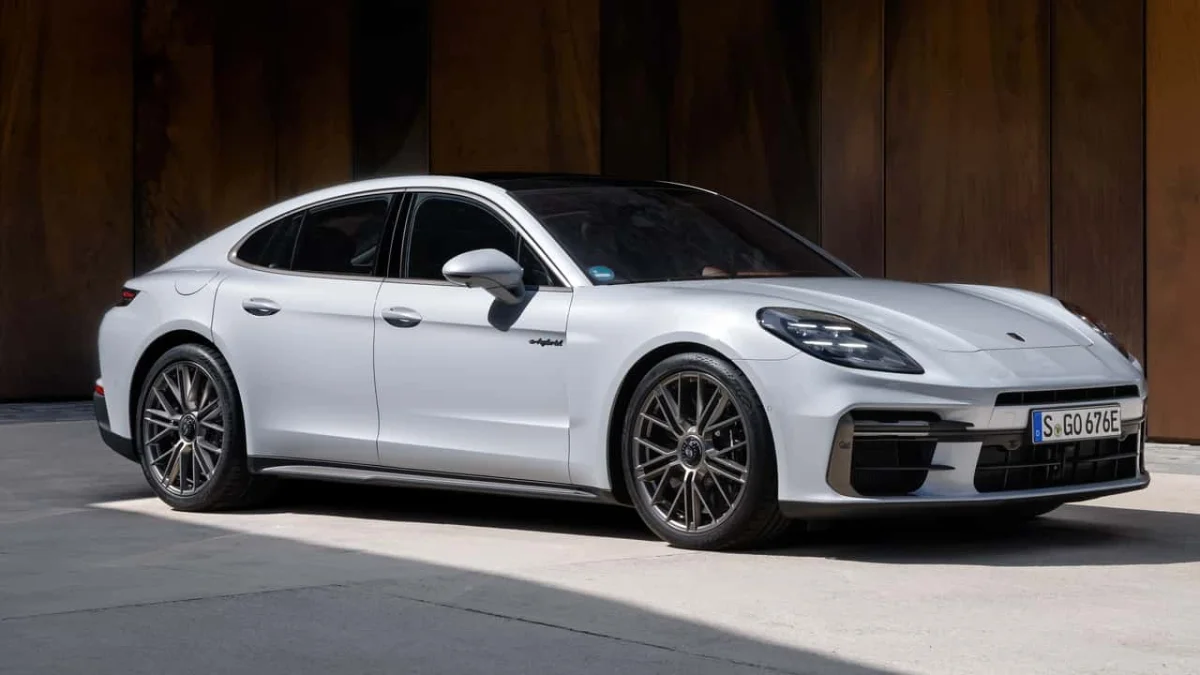
Brands like BMW, Mercedes-Benz, Audi, Volkswagen, and Porsche stand to gain the maximum. Competition inside the luxurious segment will intensify, reshaping market dynamics. High import limitations had previously confined these brands, however now they’ll get some room to explore.
Also read : 2026 Renault Duster Debuts Today : 5 Key Things You Must Know
Long-Term Implications
The new tariff shape additionally gives a managed access point. Companies can first gauge demand earlier than committing to deeper localization or building new factories. Negotiations had been ongoing for years and repeatedly stalled. Now, with international exchange realignments and rising protectionism, the deal is achieving its final stage.
Local assembly still has an advantage with preferential tax treatment. But premium segment buyers are likely to respond first, while the mass market remains largely unaffected. If implemented as planned, this could permanently change how global brands approach India. And yes, luxury car enthusiasts might feel a little lucky!