Okay, let’s be real. The internal combustion engine? Dinosaur. Governments are banning them. Car companies say they’ll stop making them. Feels like soon we’ll all be driving quiet little electric boxes. But here’s the thing. It’s 2026. And I’m seeing something that might actually save the engine. Hydrogen combustion. And honestly? It’s kind of brilliant.
Related News

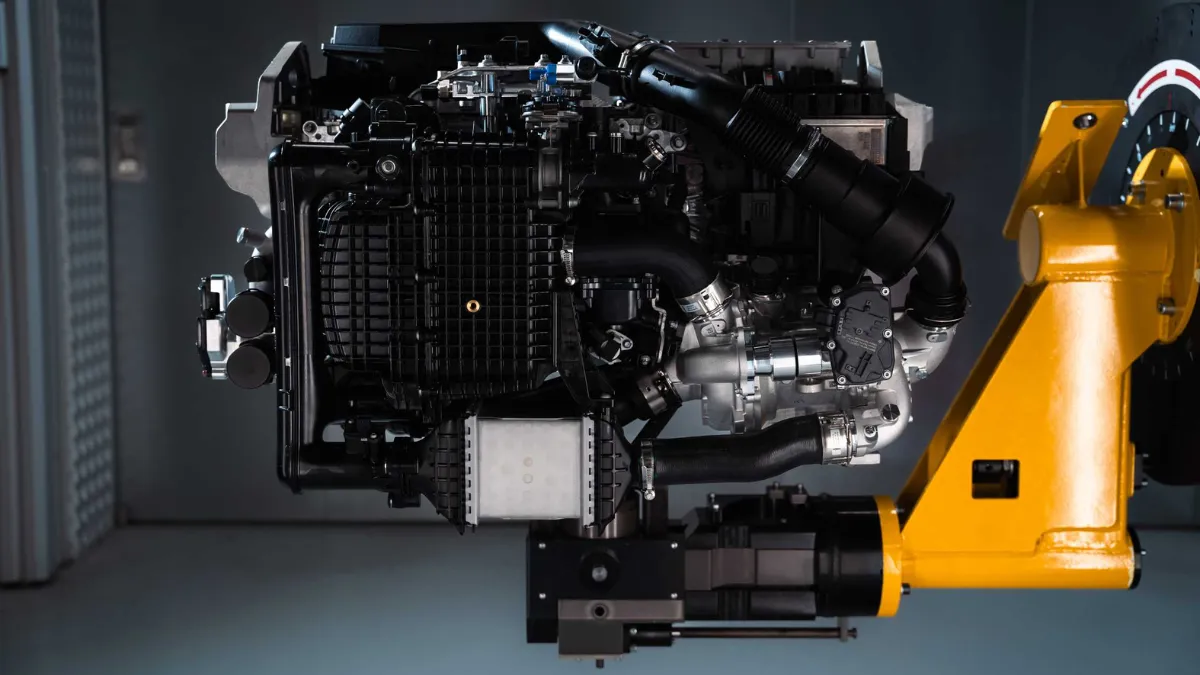
Not talking about those expensive fuel cell cars that feel like science experiments. No. I mean an engine that looks and sounds like your current car. Burns hydrogen instead of petrol. No thick black smoke. No carbon. Just water vapor. That sound? That rumble? For all of us who loves actual engines, it’s a miracle. Honestly, didn’t assume it’d work. But Toyota, BMW they’re making it appear.
Why Not Just Batteries?
Small city cars? Batteries are perfect. Easy. Cheap-ish. But huge SUVs? Trucks hauling bricks all day? Put enough batteries in one of those beasts and forget it. Too heavy. Can’t carry cargo. Mess. Hydrogen solves that. Light. Fast to fill. Gives raw power. Towing? No problem.
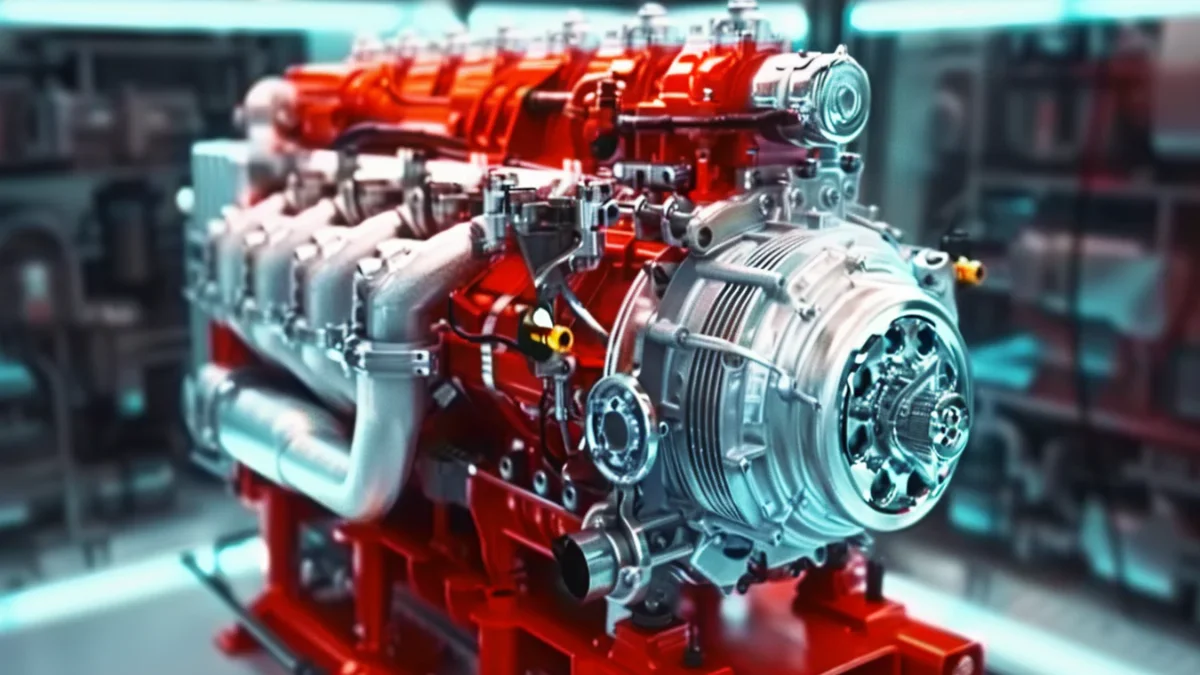
Physics wins. Always. Imagine a truck driver with a 10-hour haul. You don’t want to wait four hours for a battery. Hydrogen? Five minutes. Back on the road. Makes business sense. EVs are great for small rides, sure. Big haulers? Hydrogen looks smarter. And yeah it’s fun. The rumble of an engine. A silent motor? Can’t match it. Off-road trips. Long drives just for joy. Hydrogen keeps the soul of the car. Green, but still exciting. Cake and eat it too.
Saving Factories (and Jobs)
Here’s a bit you don’t hear much. Engine factories cost billions. Switch to 100% electric and boom machines useless, people lose jobs. Hydrogen engines? About 80% same as petrol engines. Pistons, valves, blocks. Just tweak fuel system and ignition.
Big deal. Car makers can keep machines, keep workers. Transition less painful. 2026, brands get it. Don’t throw everything away. Adapt. Smarter than reinventing the world in ten years.
The Filling Up Problem
Not perfect though. Hydrogen stations? Rare. Can’t swing by your corner gas station yet. Mostly big trucks on fixed routes. Own stations at depots.
But it’s coming. Governments building green highways. Stations every few hundred kilometers. Slow, but happening. As more trucks use it, prices drop. Car owners benefit too. Like early EVs. First ones? Pain to charge. Now? Plugs everywhere. Time fixes things.
Also read : Solid-State Batteries Is 2026 Actually the Year Everything Changes?
So, What’s the Verdict?
Future isn’t just one thing. Small EVs for the city. Big hydrogen engines for heavy hauls. Engine isn’t dead. Just a new job. And honestly? Glad. Not ready for a world where every car whispers. I want that roar. Even if it’s just blowing steam. Weird. Exciting. Green doesn’t have to be boring.