
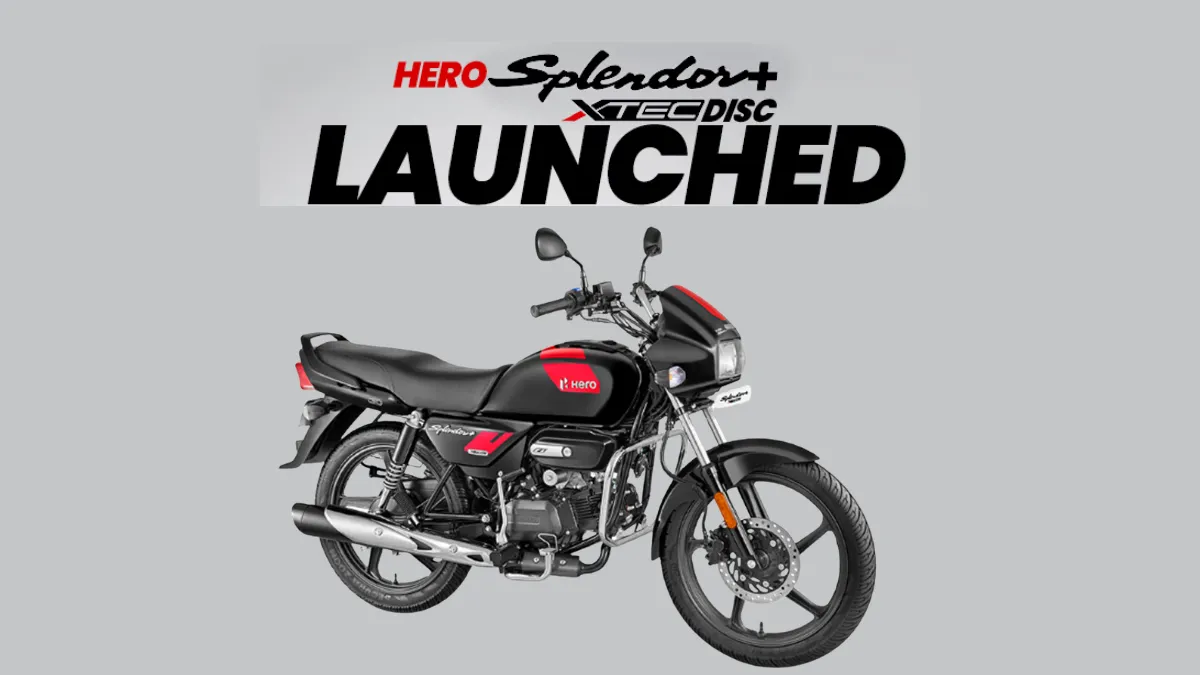
When I first heard that the Splendor Plus now comes with a disc brake, my initial reaction was finally, a modern touch. But then I paused and thought: Sure adding a disc doesn’t magically make this commuter bike drastically different from its old self. Let me share my 10 years of industry experience, mixing some old memories with fresh observations, and give you my insider take.
Related News
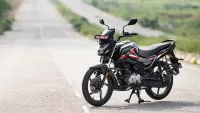
What’s New And Why People Are Buying It
The biggest plus of the disc‑brake variant is obviously the front disc. It gives more control in city traffic or sudden braking situations. Besides that, the XTEC version brings in some modern touches compared to the old drum variant a full digital instrument console, Bluetooth call/SMS alerts, USB charging port, real-time mileage indicator (RTMI), and i3S Technology for fuel-saving start-stop.

Price-wise, the disc‑brake variant is around ₹83,461 ex-showroom, which is roughly ₹3–4k higher than the drum variant. So the classic budget-friendly commuter appeal hasn’t changed much. On-road costs will vary depending on city, RTO, and insurance. Mileage the bike’s true identity remains largely the same. The company claims ~73 kmpl, with a fuel tank capacity around 9.8–10 litres, enough for daily commuting and short trips.
But Things to Keep in Mind
Let’s be real: the disc brake is nice, but it doesn’t turn the bike into a “superbike.” The engine is still the same 97.2 cc, air-cooled, 4-speed unit. Power and torque haven’t seen a big jump. If you plan to ride fast on highways regularly, this setup won’t wow you.
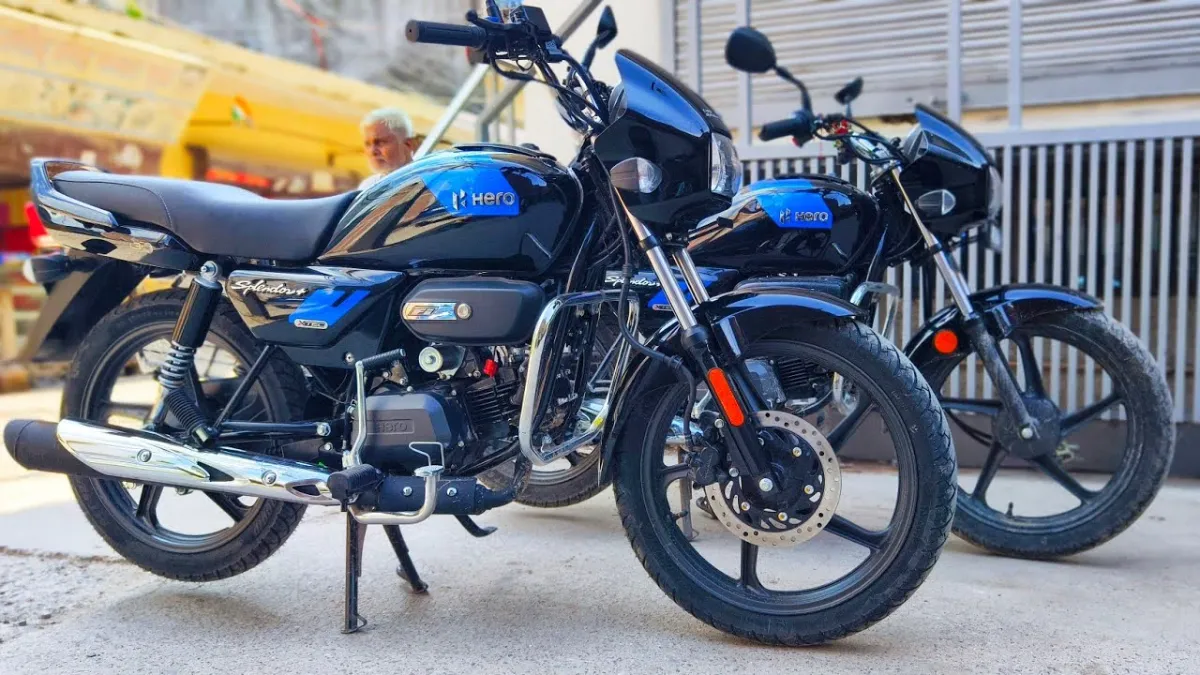
Once, I rode with a friend on his old drum-version Splendor. He said, “Bro, braking is fine as is. The disc should be better, but will mileage and maintenance remain the same?” I thought fair point. Plus, with more electronics like the digital meter and i3S, reliability depends a lot on wiring, sensors, and service centers. From my experience, a minor fuel-injection glitch once sent a commuter bike back to the service center, and it reminded me the more modern, the more you need to understand its quirks. Also, seating comfort and long-ride stability are not much better than the older Splendor. Great for daily office-market commuting, but for long rides or carrying a passenger regularly, you might want to consider 100–125 cc commuters instead.
My Final Verdict (from a veteran mechanic-biker attitude)
If I wanted a motorbike inside the ₹80–90k variety for every day commuting, I’d bear in mind the Disc‑Brake XTEC variant. Classic economy, low preservation, proper mileage, plus some present day functions a neat mixture of vintage-college Indian commuter charm with a hint of modernity.
However, if you expect velocity, performance, or lengthy-term sturdiness just because it has a disc brake and virtual functions, mood your expectancies. This phase has its limits. Service history, right upkeep, and sensible expectations are key. For first-time buyers or each day commuters, that is a smart preference. For those looking for a top class experience, more energy, or lengthy rides, looking barely above this segment (one hundred–125cc) could be wiser. That’s about it. If you want, I can also share how probably it's miles to locate this disc variation at nearby sellers and what to look at out for whilst buying. Want me to do that?