
The biggest fear around electric cars isn’t range anymore. It’s the battery. People still imagine it like an old smartphone. Two years in, battery down. Three years, panic. Five years? Dead. But an EV battery doesn’t live that kind of life. It’s built tougher. Much tougher. Let me explain.
Related News

That 8-Year Warranty Isn’t Just Marketing
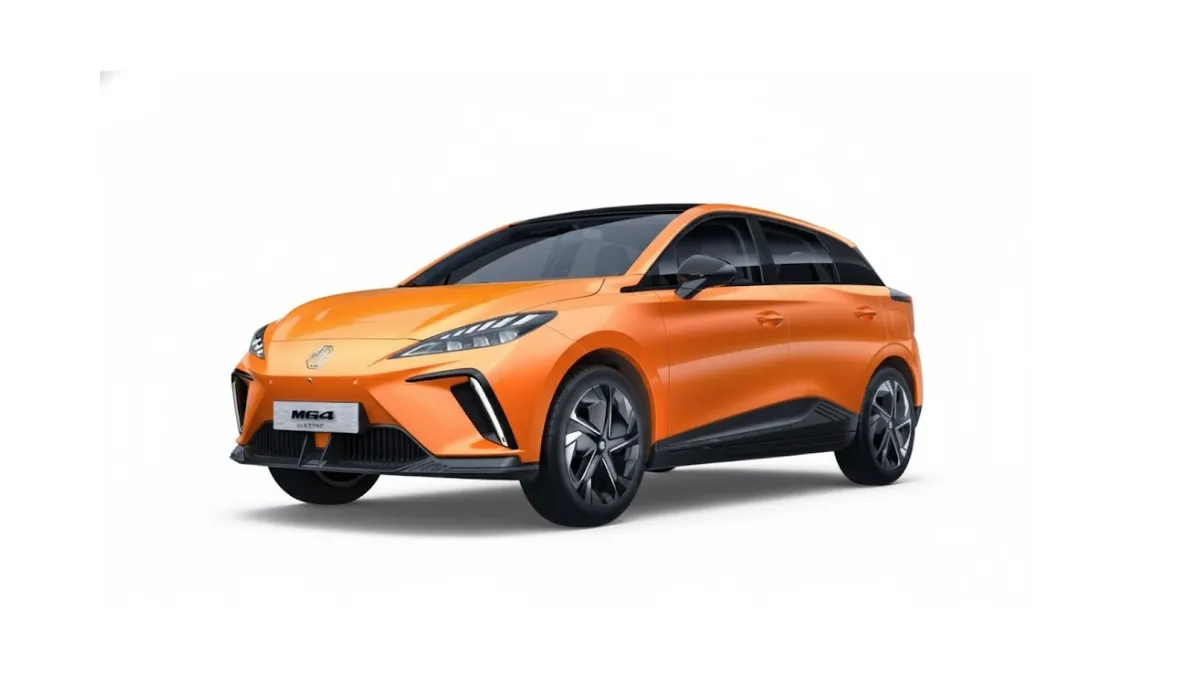
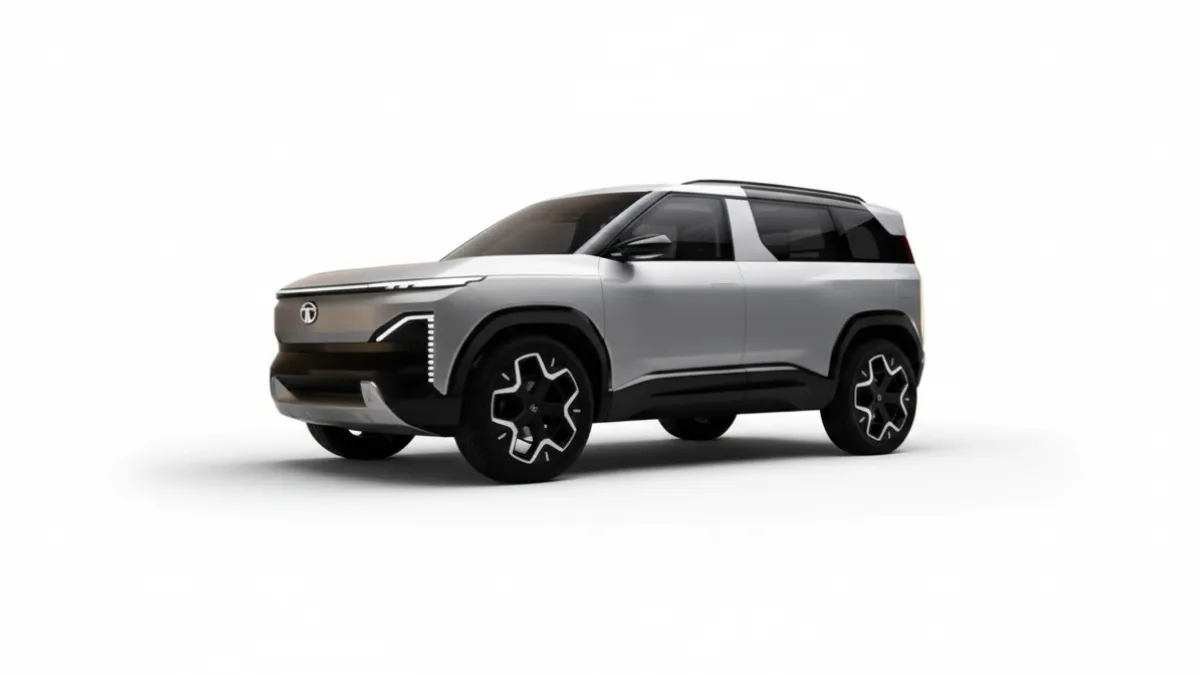
Almost every EV sold in India today Tata, MG, Hyundai, even the new players comes with an 8-year battery warranty. That’s not random generosity. That’s confidence. If something goes wrong in those eight years, the company fixes it. Or replaces it. No jugaad. No drama.
And honestly, most Indian buyers sell their cars in 6–7 years anyway. So chances are, you’ll never even test that warranty. Still. Nice to have that safety net.
Batteries Don’t Quit They Age
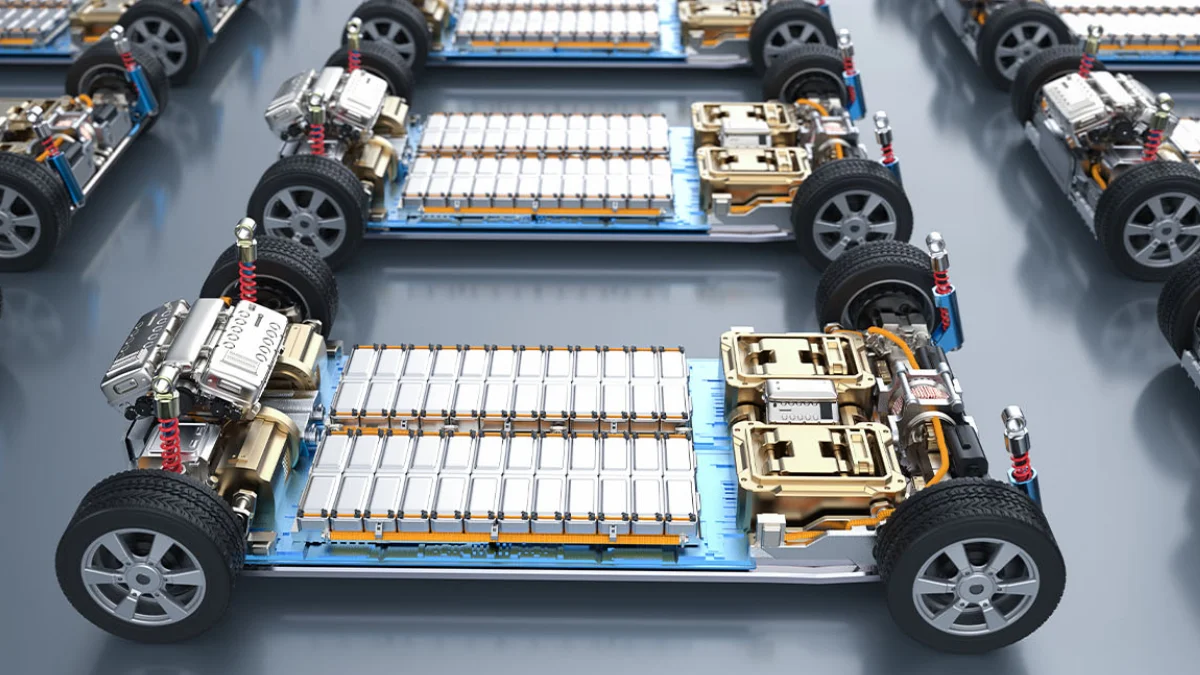
Modern EV batteries are designed for distance. Big distance. We’re talking 1.5 lakh to 2 lakh kilometres without major trouble. After 8–10 years, the battery doesn’t suddenly collapse. It just gets a little tired. Like us. Maybe it holds 80% charge instead of 100%. That’s all. For daily city runs? School drops, office commute, grocery chaos. Works perfectly fine.
Heat? Already Thought Of
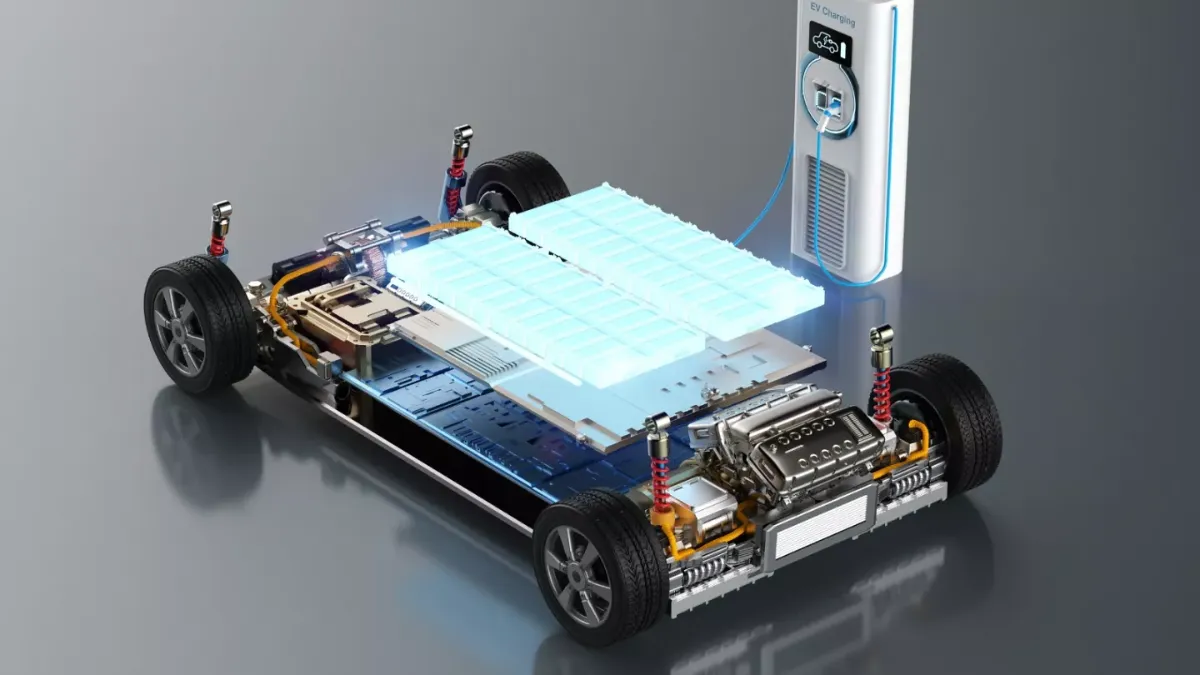
India is brutal on machines. Heat kills everything. Especially batteries. That’s why EVs use liquid-cooling systems. Think of it as an AC for the battery pack. Even when North India is touching 45 degrees, the battery stays in its comfort zone. This isn’t new tech anymore. It’s proven. And it’s doing its job quietly, every single day.
Also read : Tata Lines Up Sierra EV, Premium Avinya & Charging Boom
Small Habits Big Difference
You don’t need to baby the battery. Just don’t abuse it. Fast charging every day? Avoid if you can. Home charging is gentler.
Running it down to 0% again and again? Not ideal. Batteries prefer balance. Keep it mostly between 20% and 80%. Simple rule. Easy life.
So Should You Still Worry?
Not really. An EV battery is designed to last as long as the car itself. Backed by an 8-year warranty. Protected by smart cooling. Supported by real-world data now. The fear made sense earlier. Today? It’s mostly outdated thinking. Charge it. Drive it. Forget about it.