

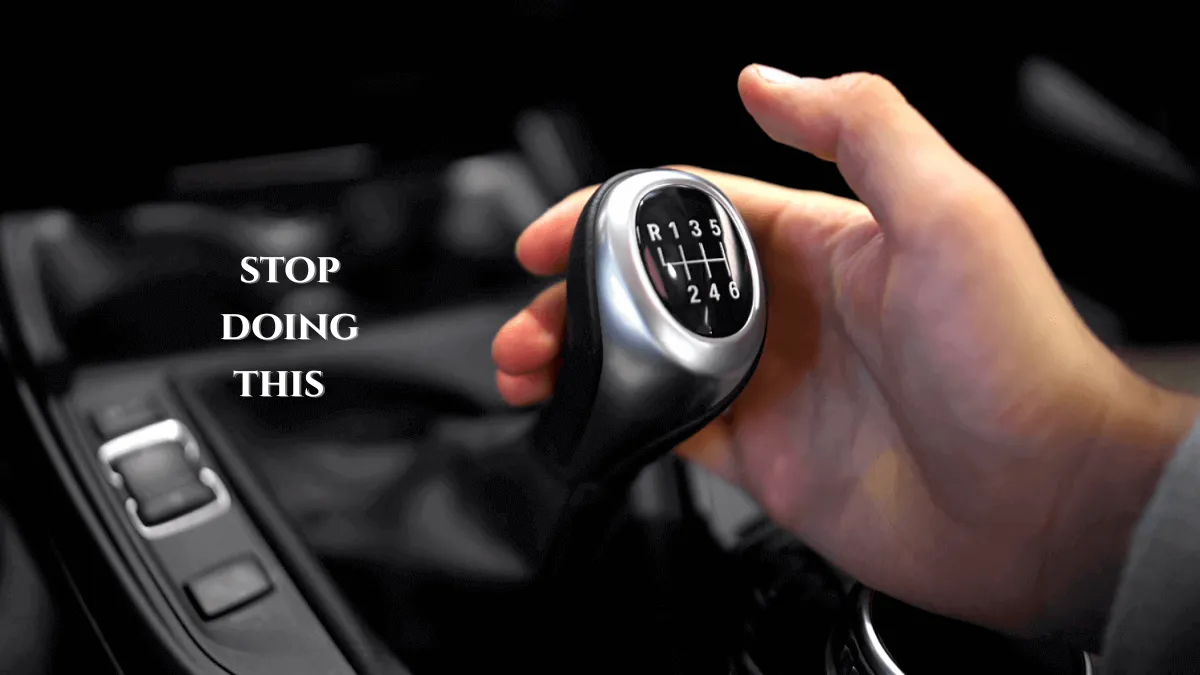
Over the last ten years, I’ve noticed one very clear pattern. The moment someone says they want an automatic car, only two thoughts dominate their mind comfort in traffic and freedom from the clutch. That’s it. Everything else quietly slips into the background. And that’s exactly where the trouble begins.
Related News

Let me be clear. Buying an automatic car is not a bad decision. I personally drive an automatic every day in city traffic. But around 80 percent of buyers ignore one thing that later hits both their wallet and their peace of mind.
The ignored factor the type of transmission
At the showroom, most conversations end with just one question is it automatic or not. Very few people ask what kind of automatic it is. AMT, CVT, torque converter, or DCT. The moment these names come up, buyers lose interest.
I remember one customer in Delhi who bought a well-known compact SUV. Big smile, delivery photos, sweets distributed. Three months later, he called me. Said the car jerks while driving. The service center replied this is the nature of AMT. There was silence on the call for a few seconds. Then he said why didn’t anyone tell me this earlier.
AMT is affordable, but not for everyone
AMT is the most popular automatic option in India. Lower price, decent mileage. But if you enjoy even slightly quick driving in the city, the pause during gear shifts starts to irritate you. Not every day, but often enough.
Manufacturers call it smart technology. I still remember an older model where every overtake felt like a gamble. The car would think first, then move.
CVT feels smooth, but trust depends on the brand
CVT offers very smooth driving. No jerks, low noise. But long-term durability has always raised questions, especially in Indian heat and traffic conditions.
Once in Mumbai, I had a casual chat with a dealer. He admitted quietly that customers love CVT initially, but once the warranty period is over, a sense of fear always stays. That moment when a salesman lowers his voice and speaks honestly that’s where real information comes out.
DCT sounds exciting, drives brilliantly, but
DCT brings instant excitement. And yes, it is fun to drive. But it’s not meant for everyone. Heavy traffic, constant stop and go, and our typical Indian habit of half-clutch driving. In such conditions, DCT can start complaining early.
I personally tested a newly launched car once. Without a software update, it behaved strangely on slopes. The company said a future update would fix it. That’s when it hit me automatic cars are no longer just mechanical. Software matters just as much.
People get stuck on mileage, the real cost hides elsewhere
Most buyers ask about mileage of automatic cars. It’s a fair question, but incomplete. The real expense shows up during service and repairs. If an automatic transmission fails, the bill can be shocking.
I remember a case of a five-year-old car with a transmission issue. The repair estimate was almost equal to the resale value. The owner sold the car and said he was going back to a manual. That tells you everything.
Showroom test drives and real life are very different
Test drives last ten minutes. Air conditioner on, empty roads, salesman sitting beside you. Real life means morning traffic, tight parking exits, small inclines. That’s where an automatic shows its true character.
As far as I’m concerned, an automatic car should be driven for at least thirty minutes before buying. And not on empty roads. Otherwise regret follows, and regret is the most expensive feature.
One last thing I tell everyone I know
Automatic cars are not bad. Wrong choices are. Don’t get impressed just because the brochure says automatic. Understand the transmission, look at your driving habits, and then decide. This is what ten years in the automobile world has taught me. A car is driven every day. Compromise hurts every day.
